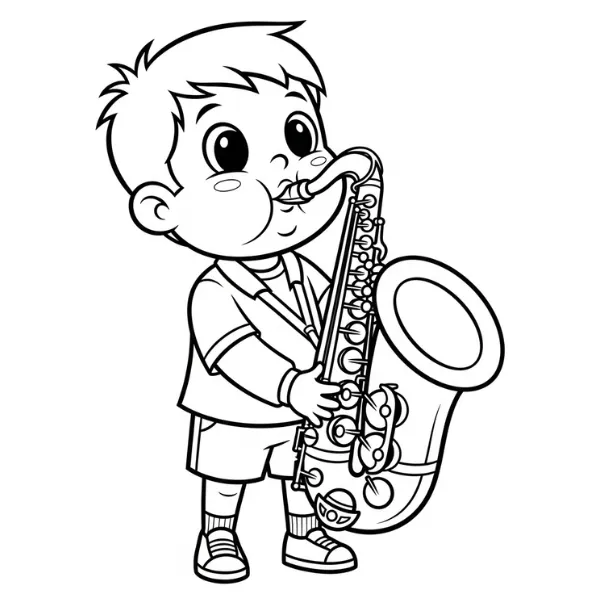
Saxophone Coloring Page
Discover this collection of drawings to print, download or color directly online.
Discover this collection of drawings to print, download or color directly online.
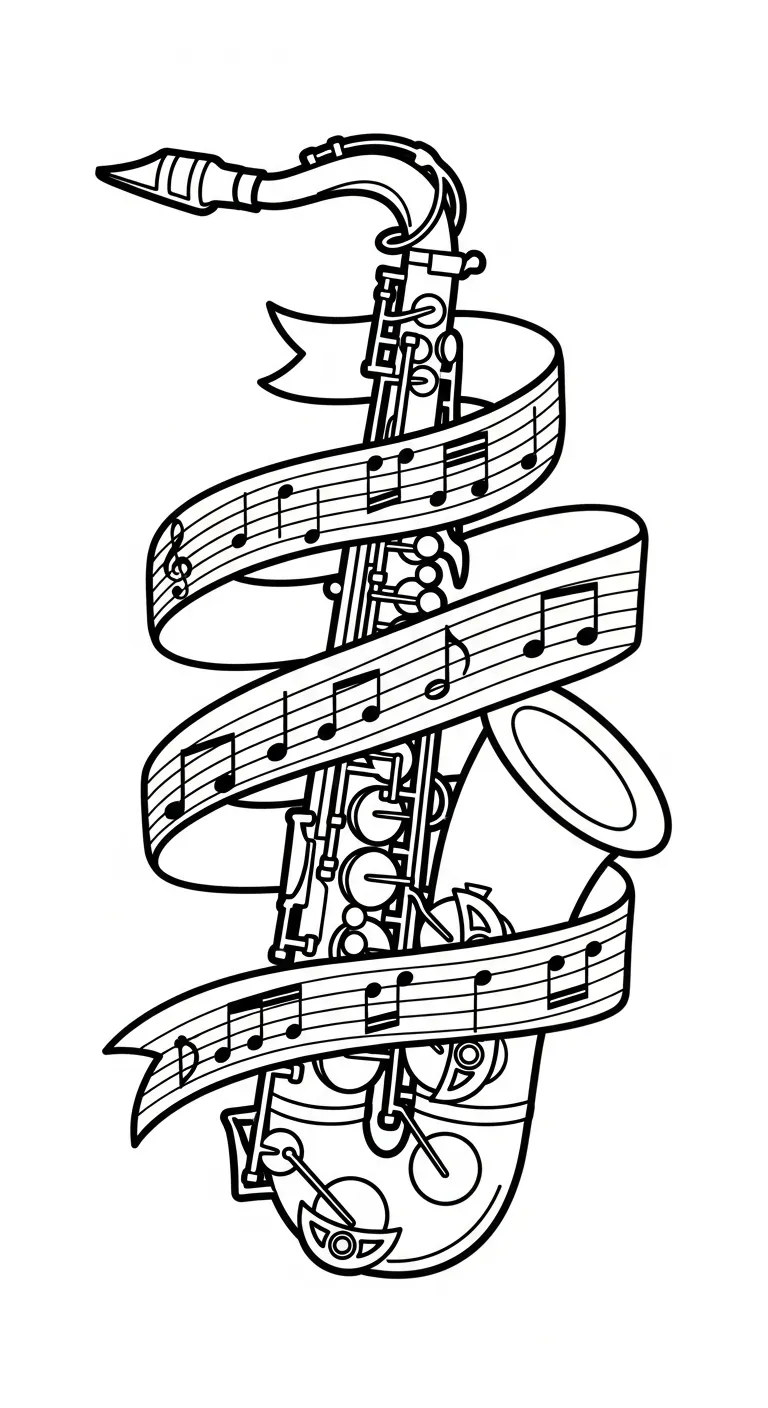
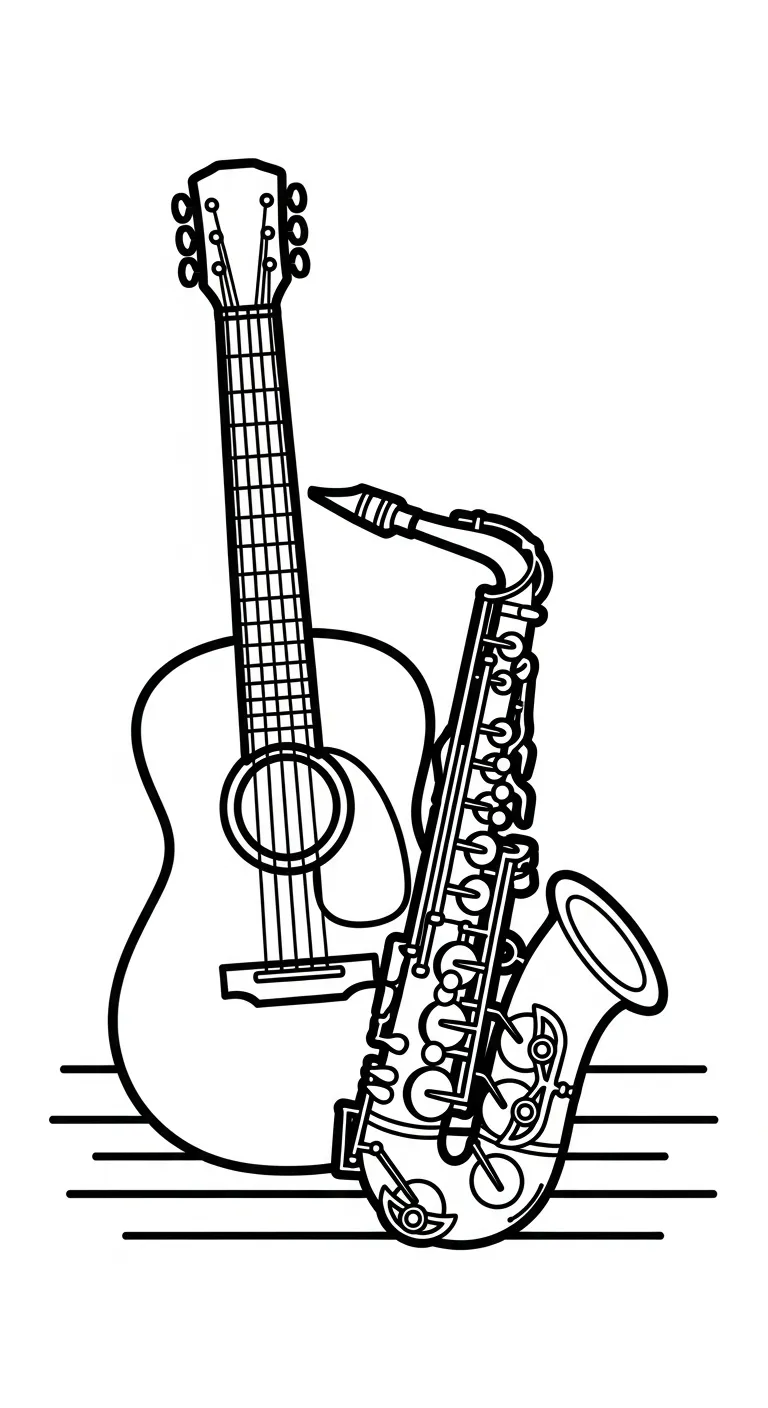
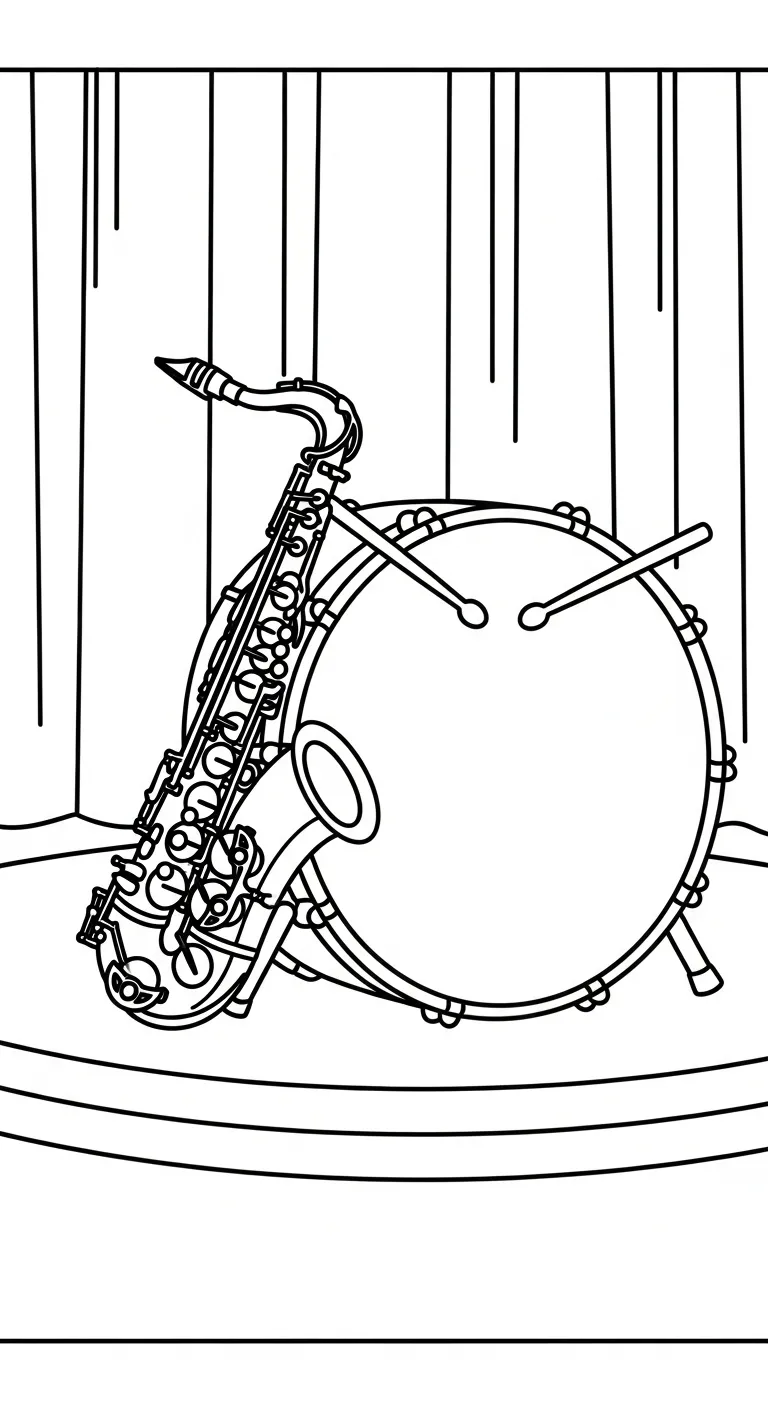
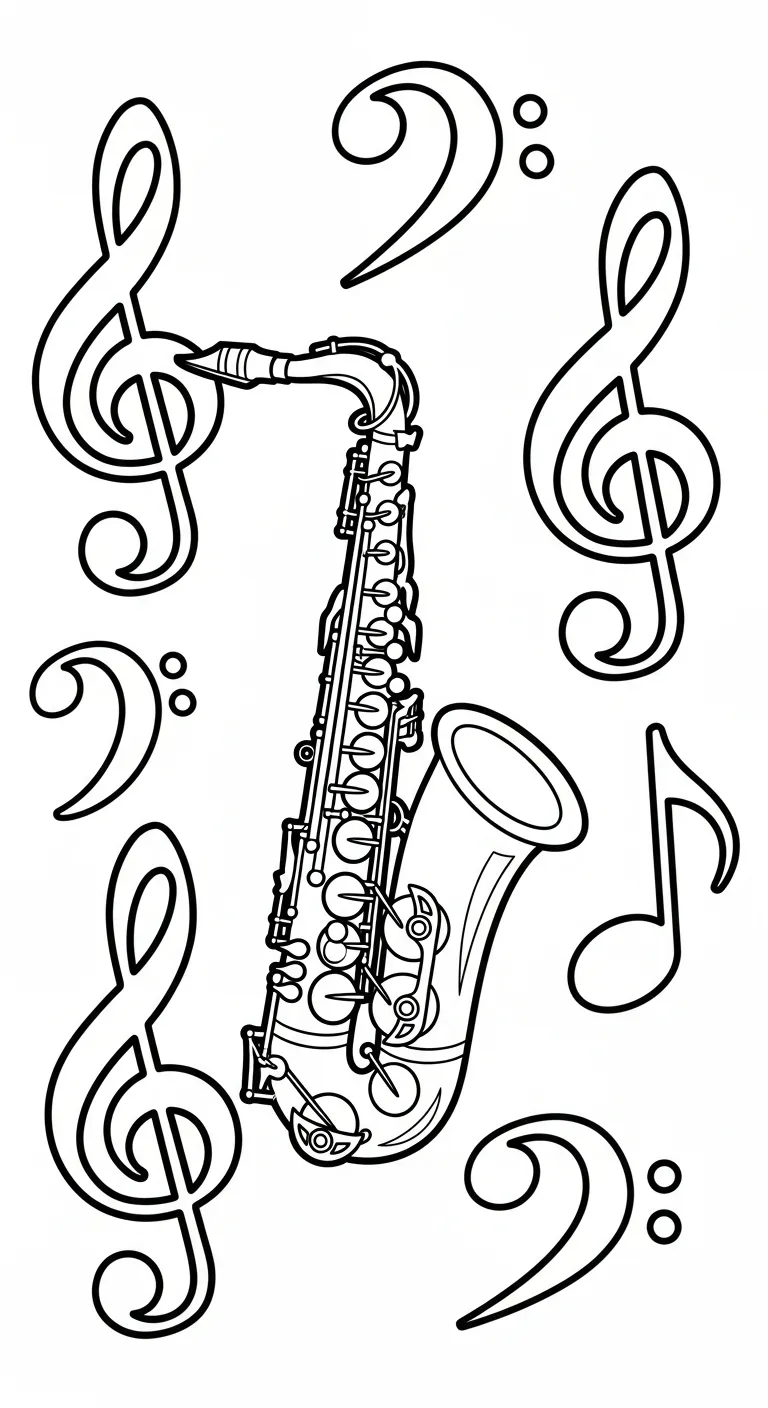
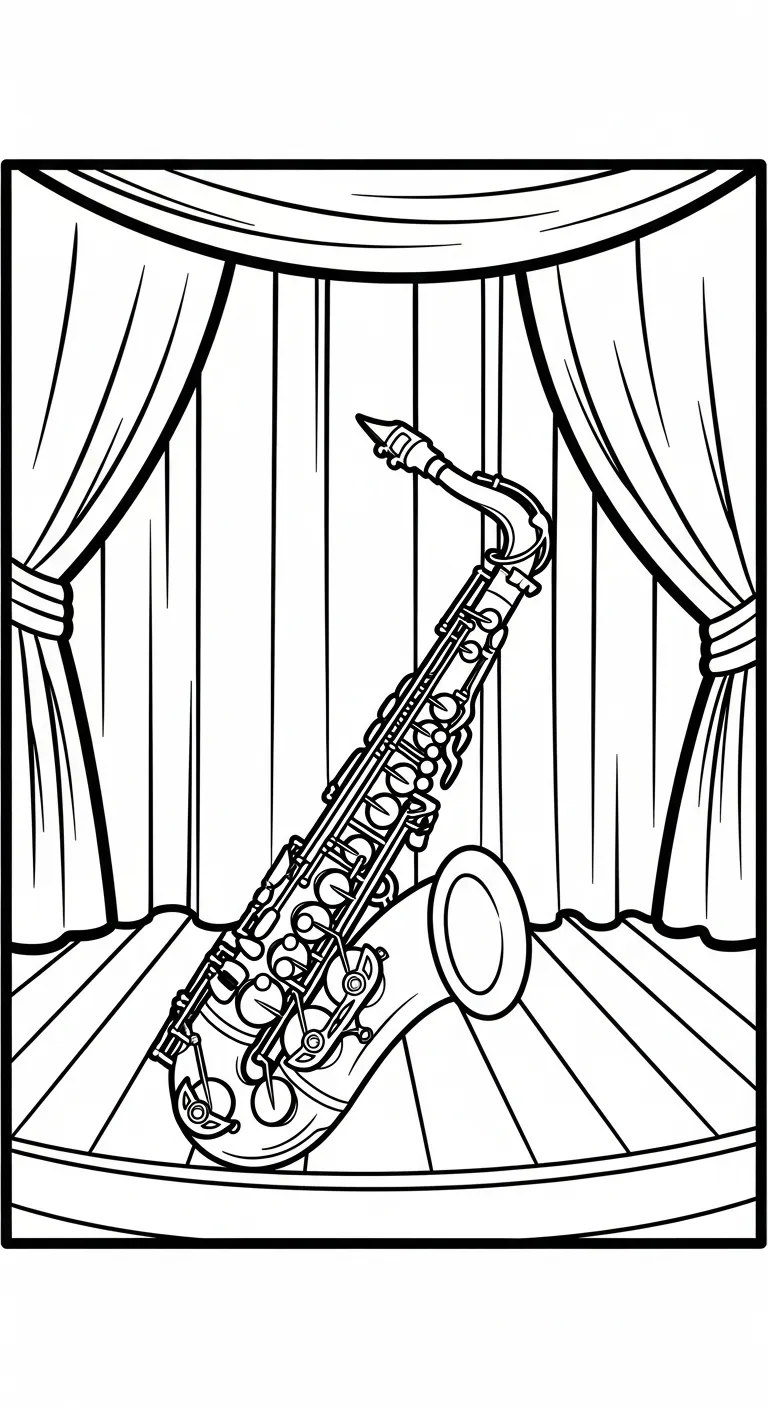
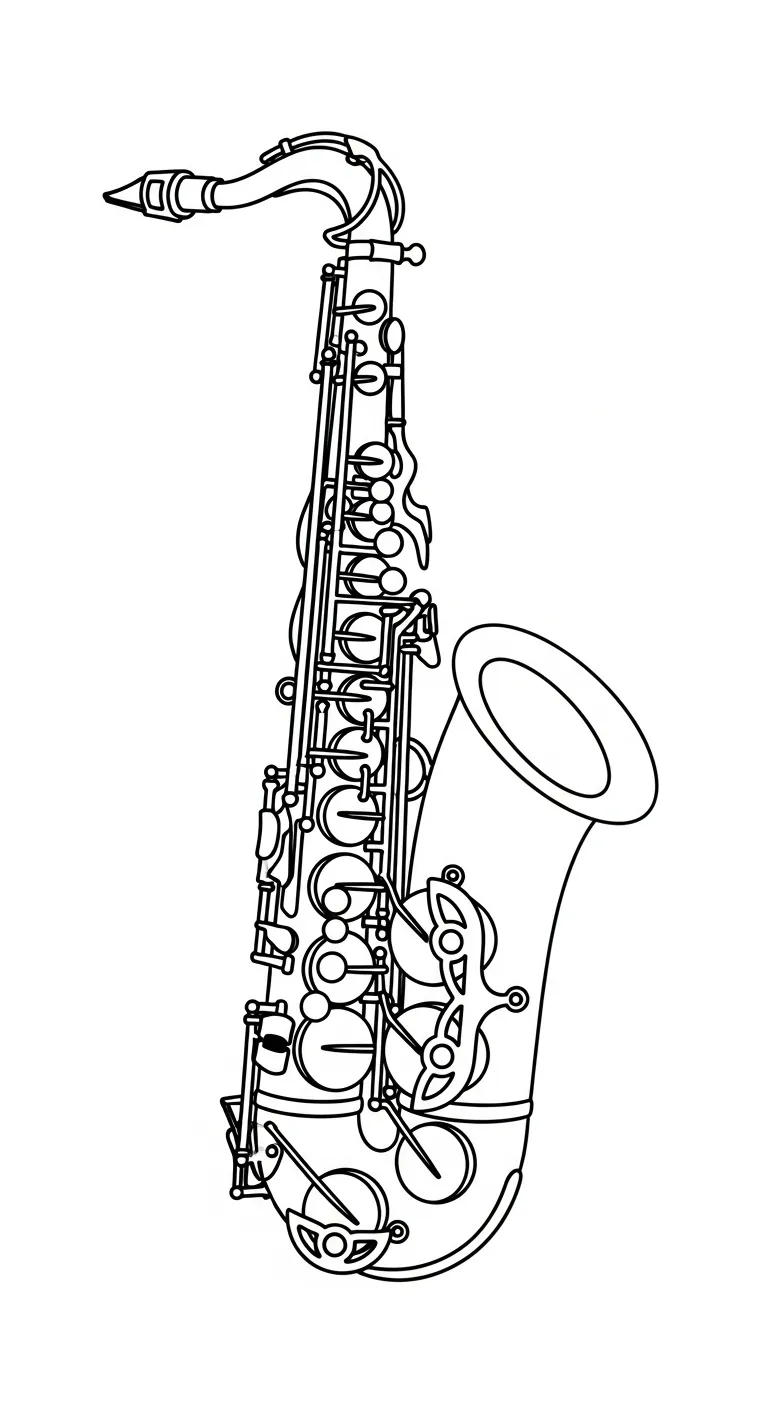
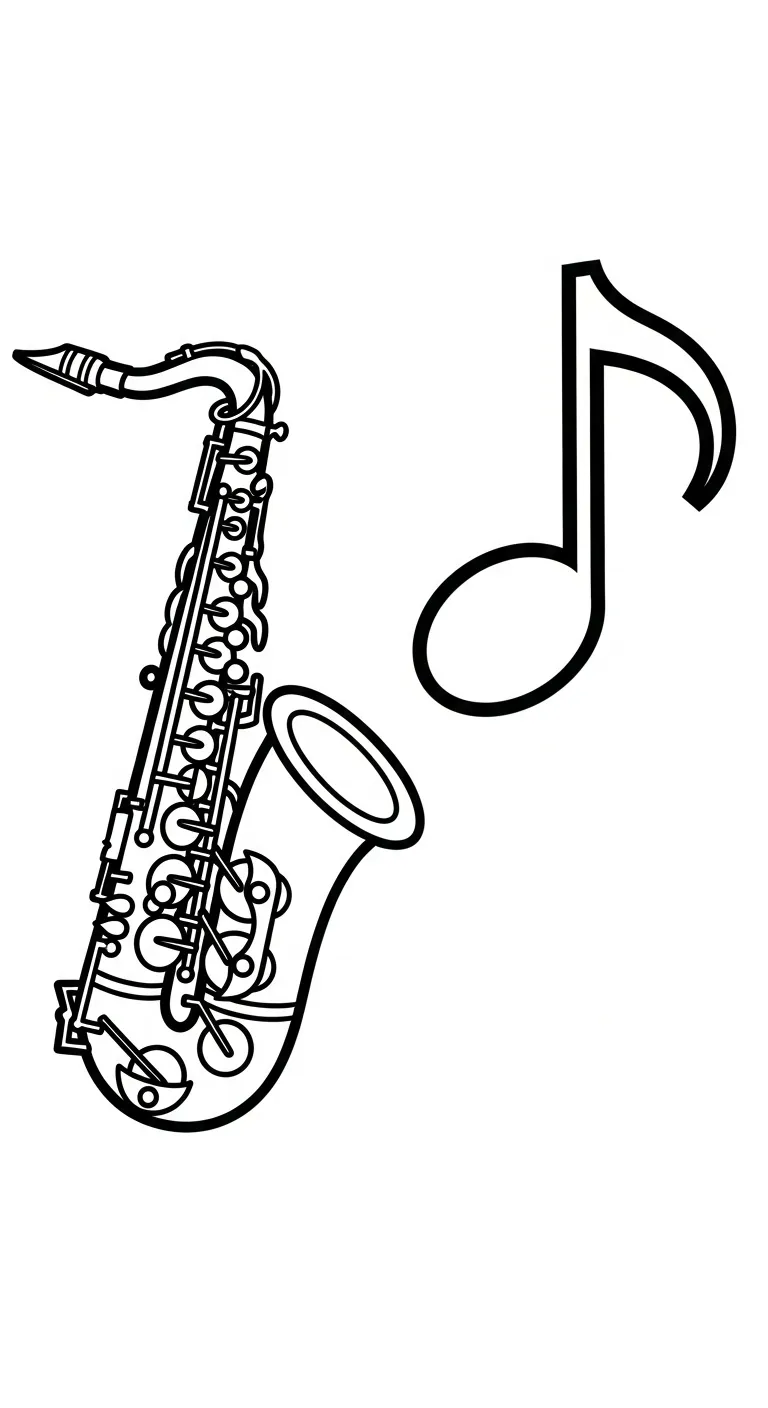
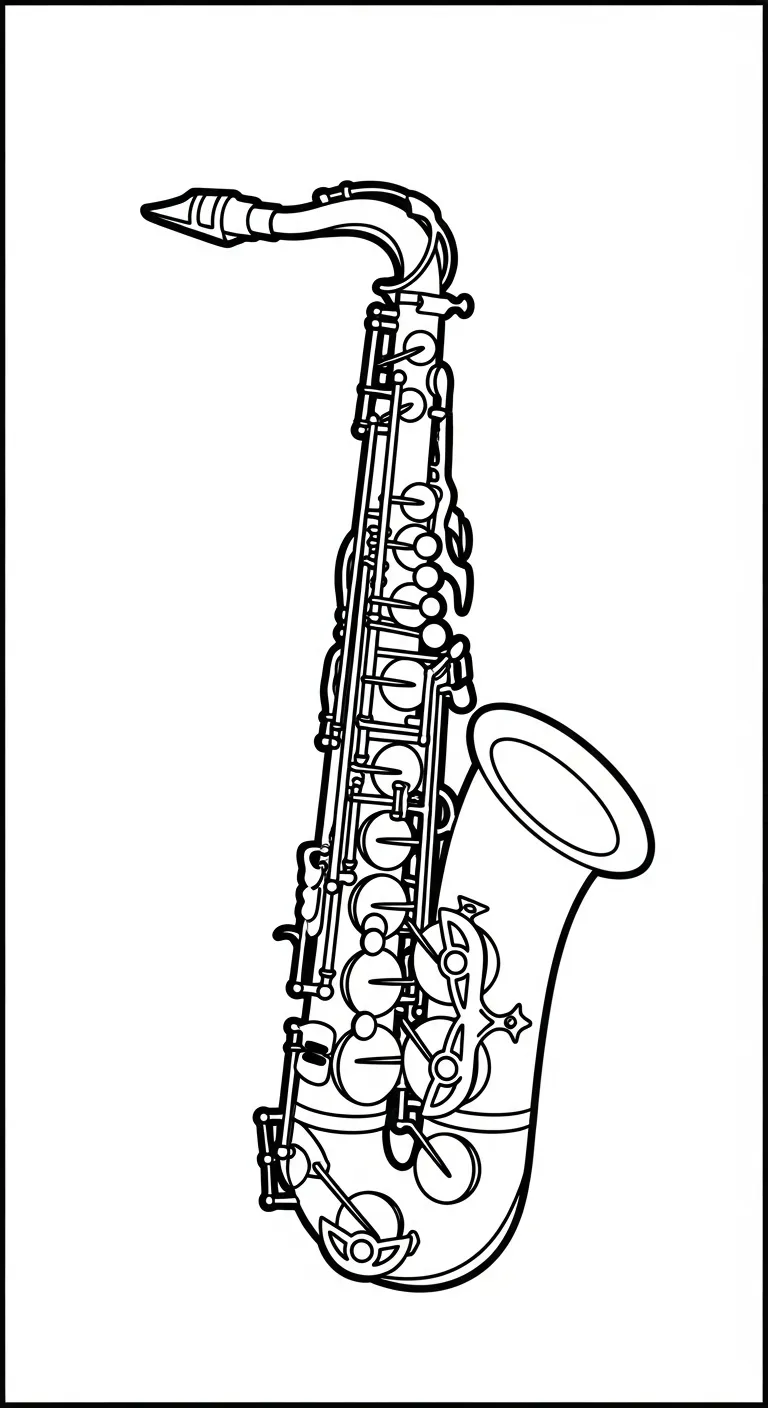
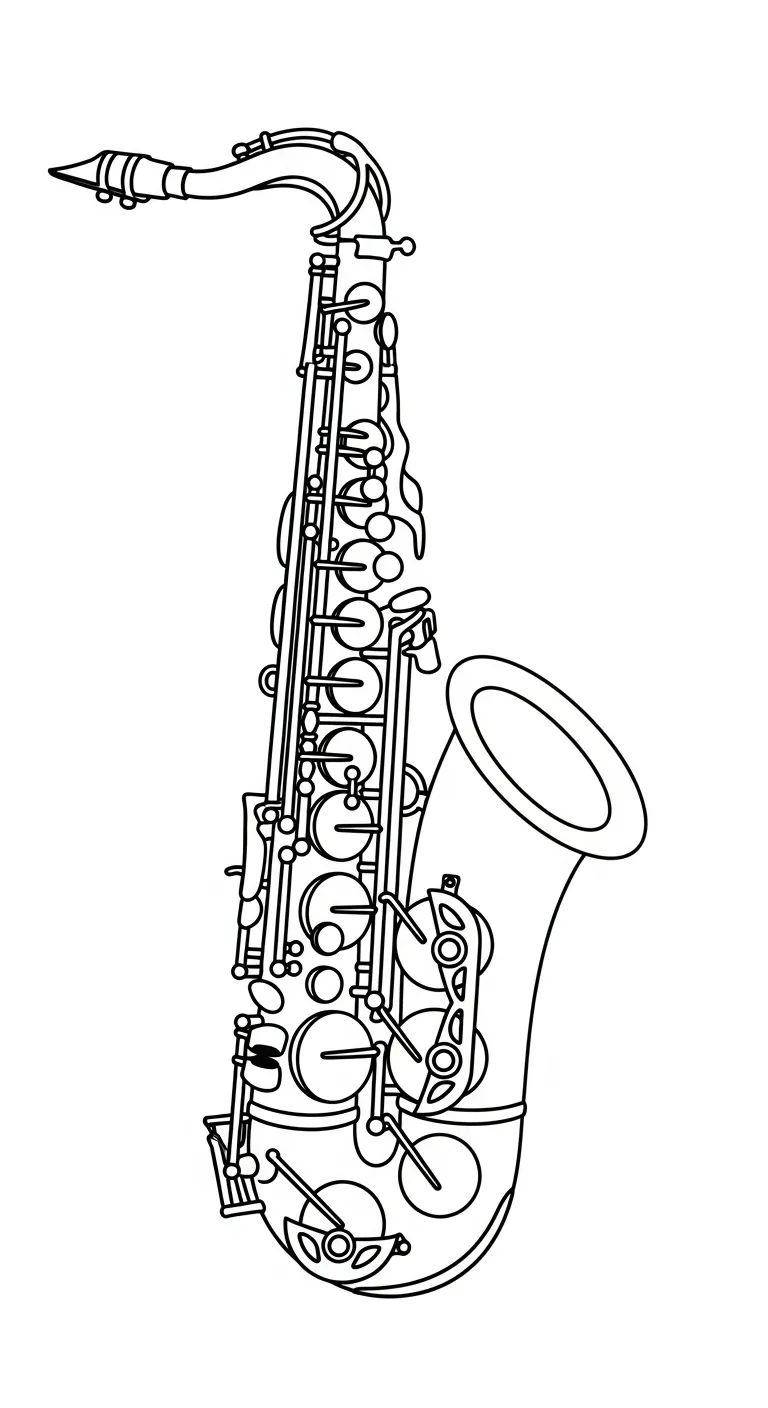
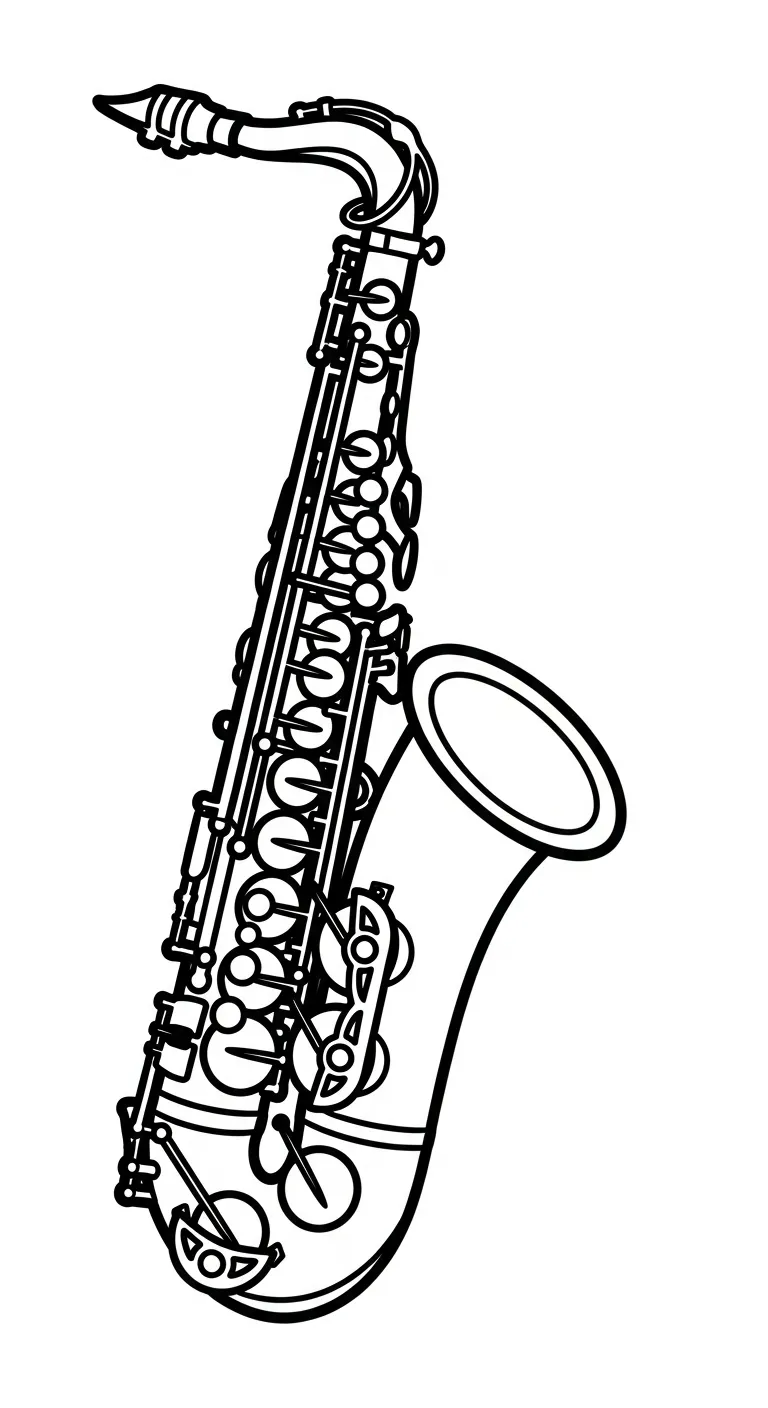
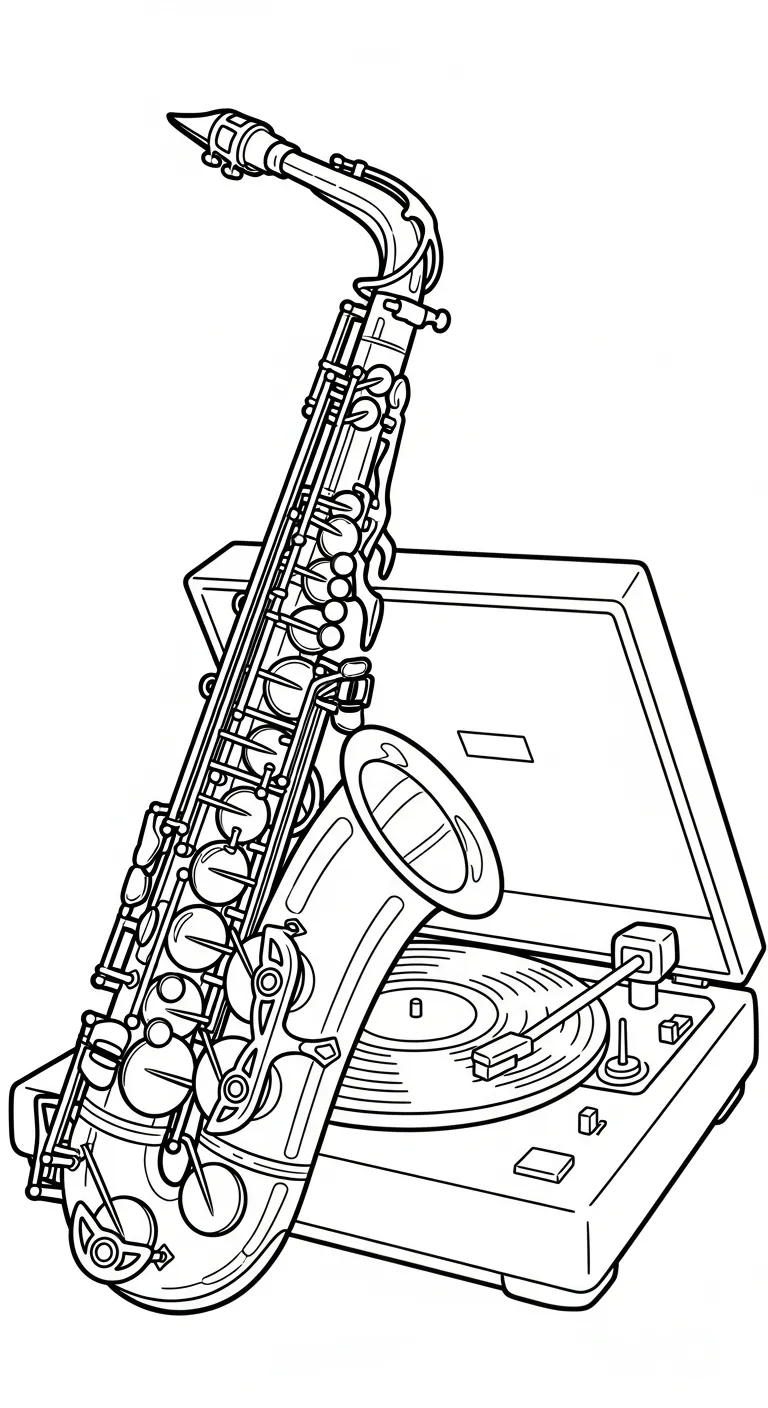
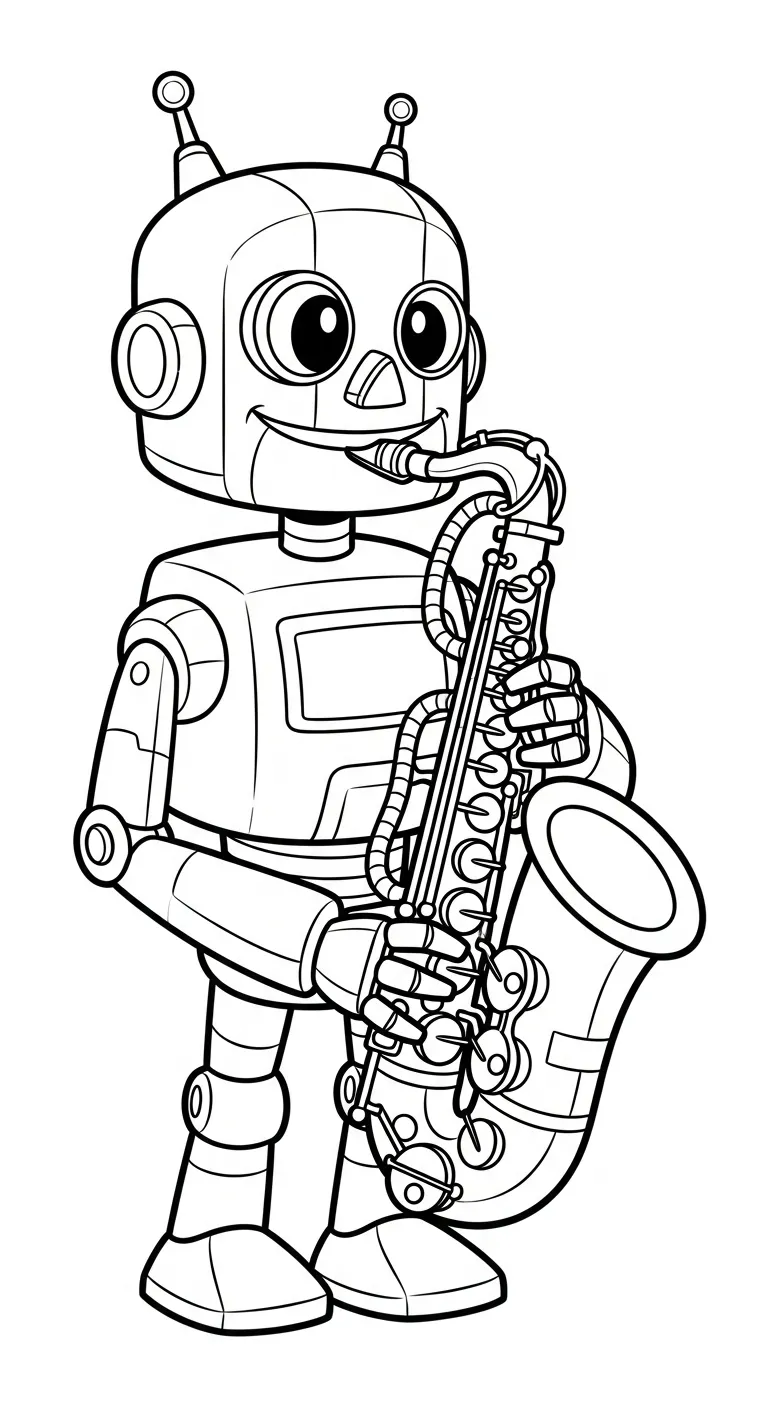
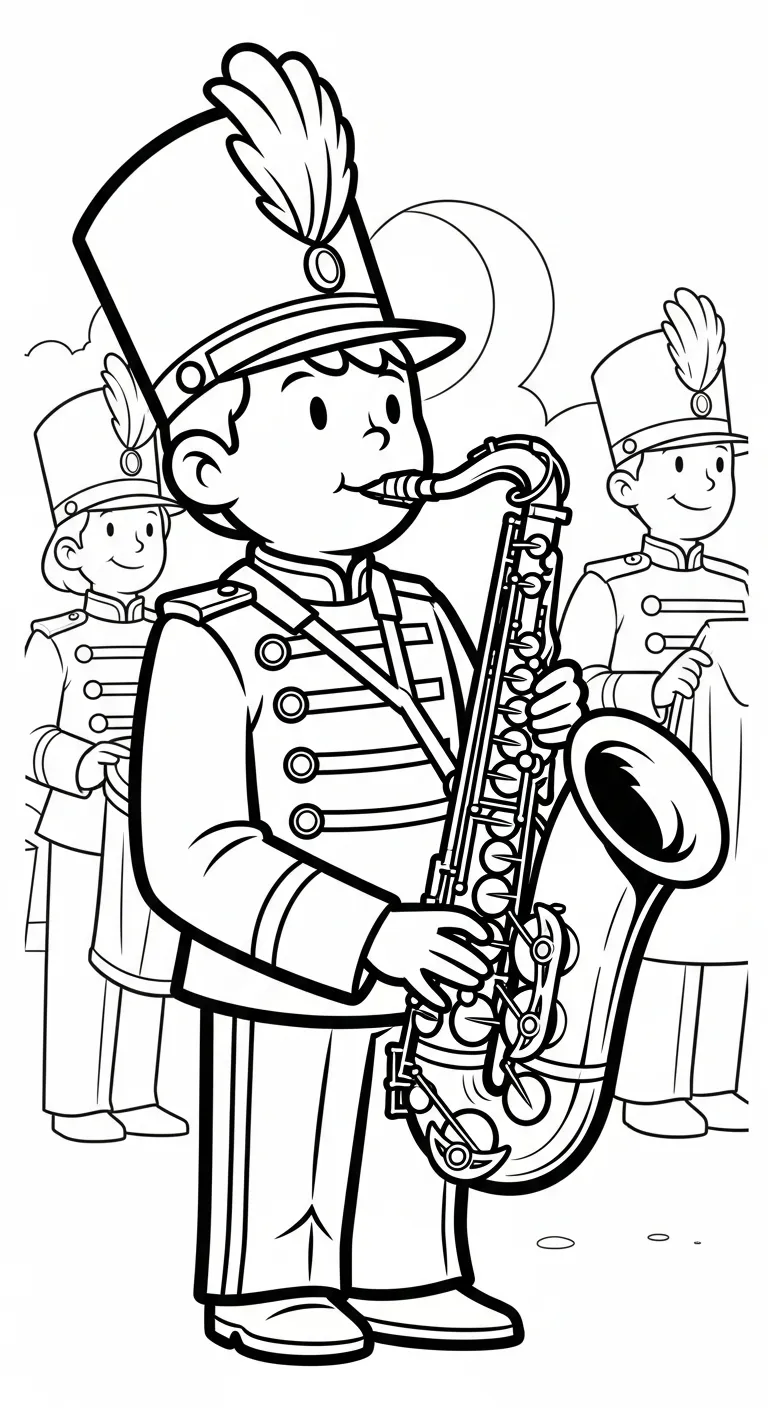
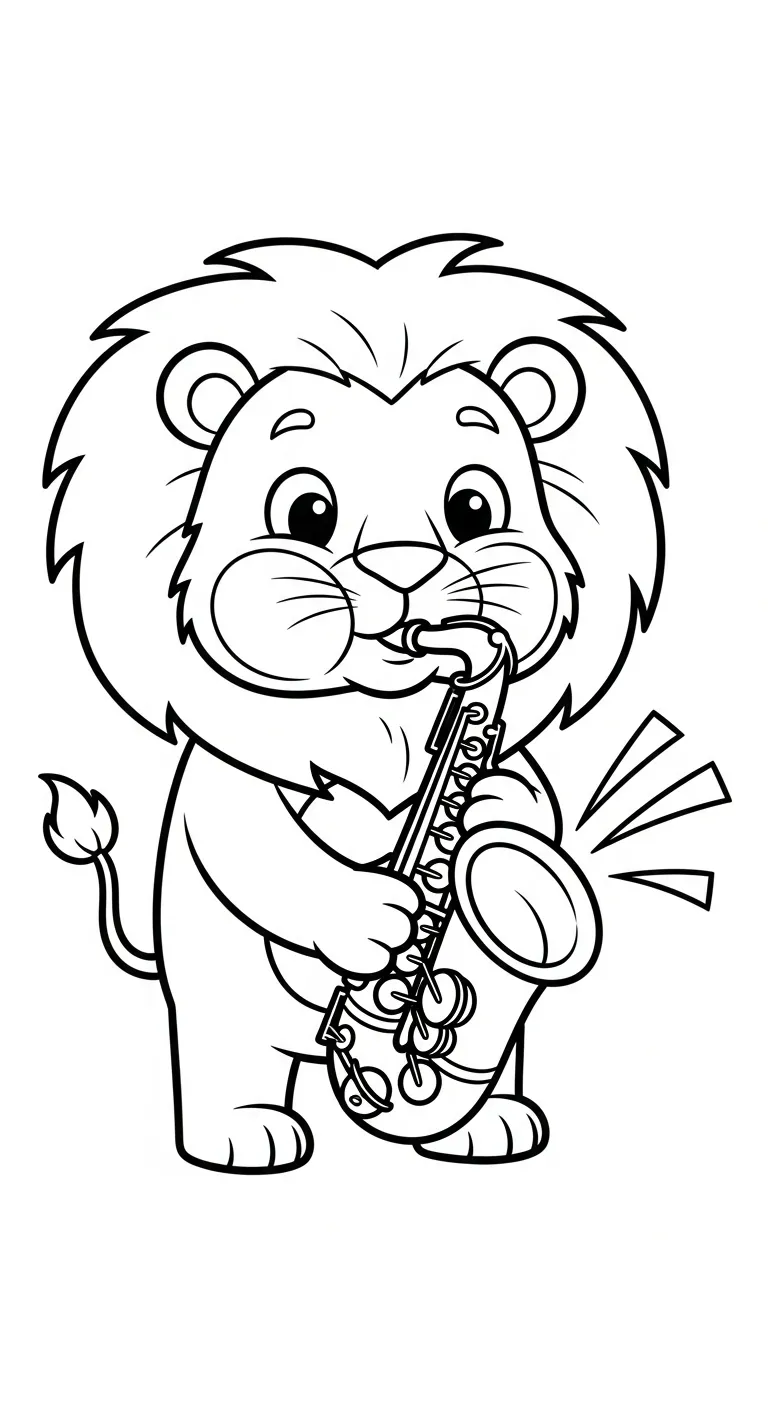
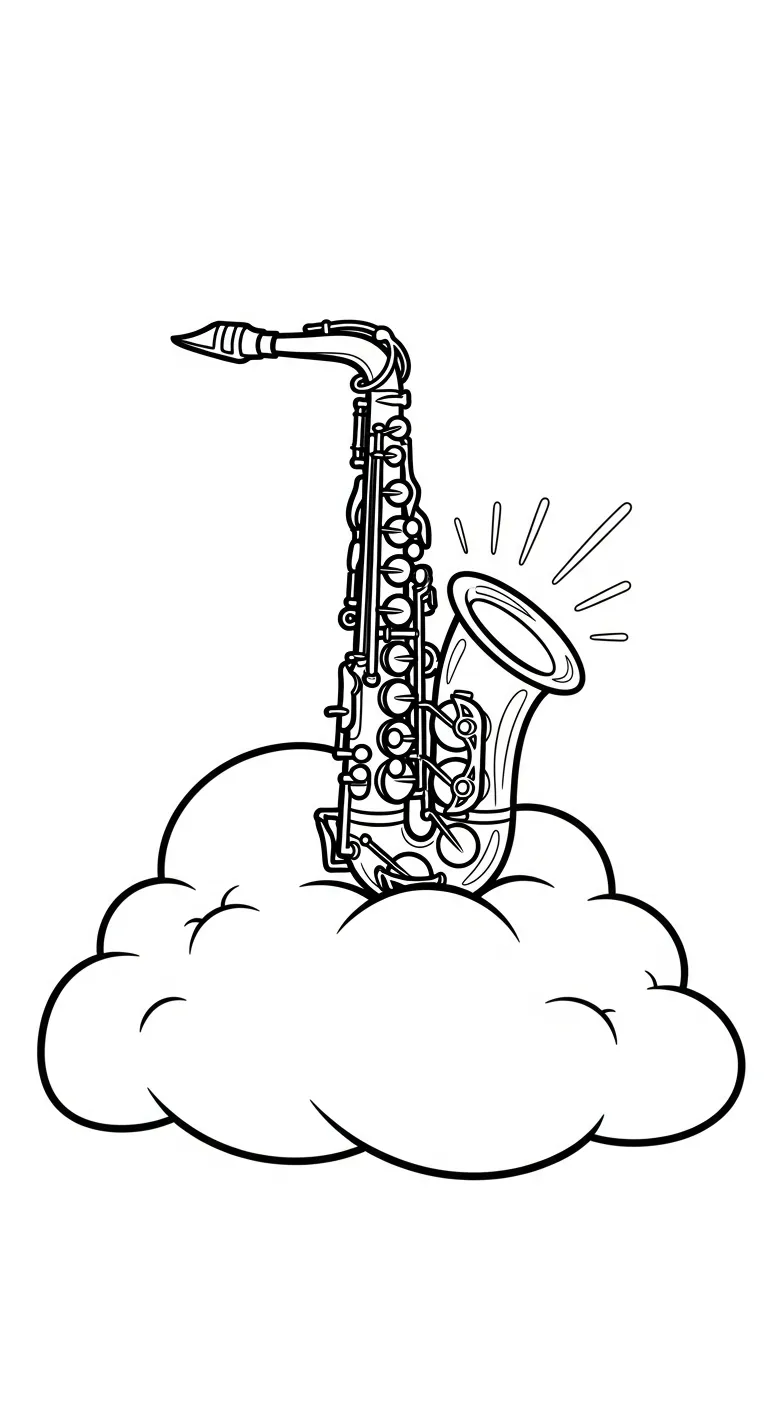
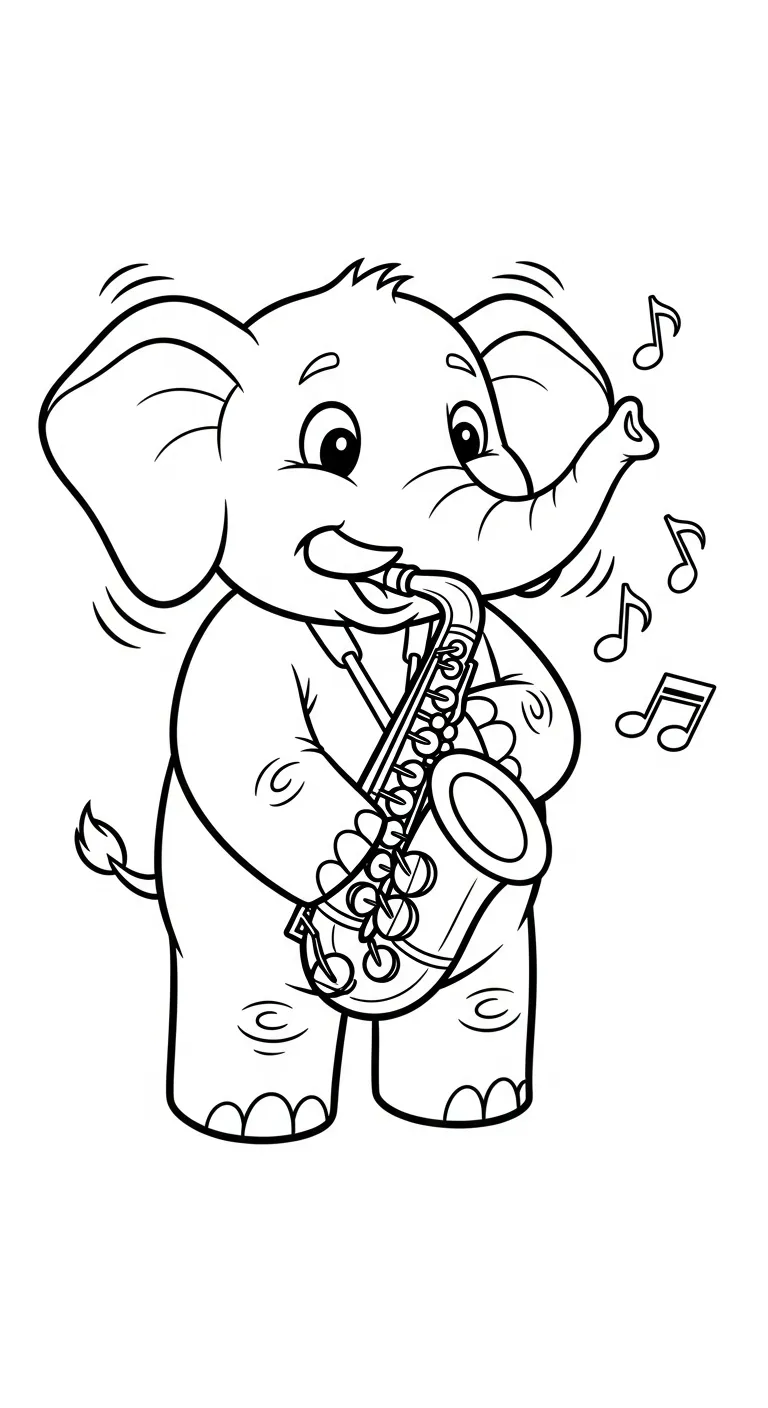
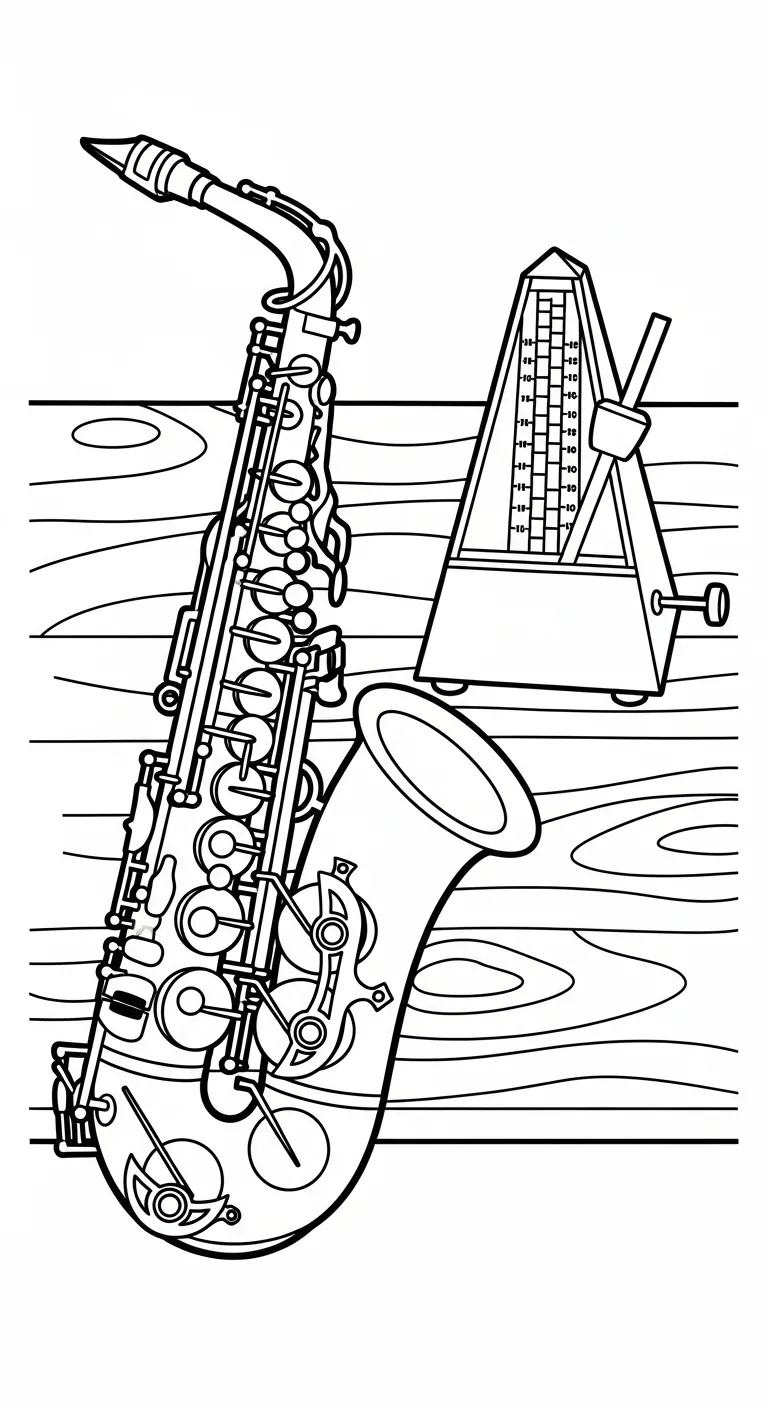
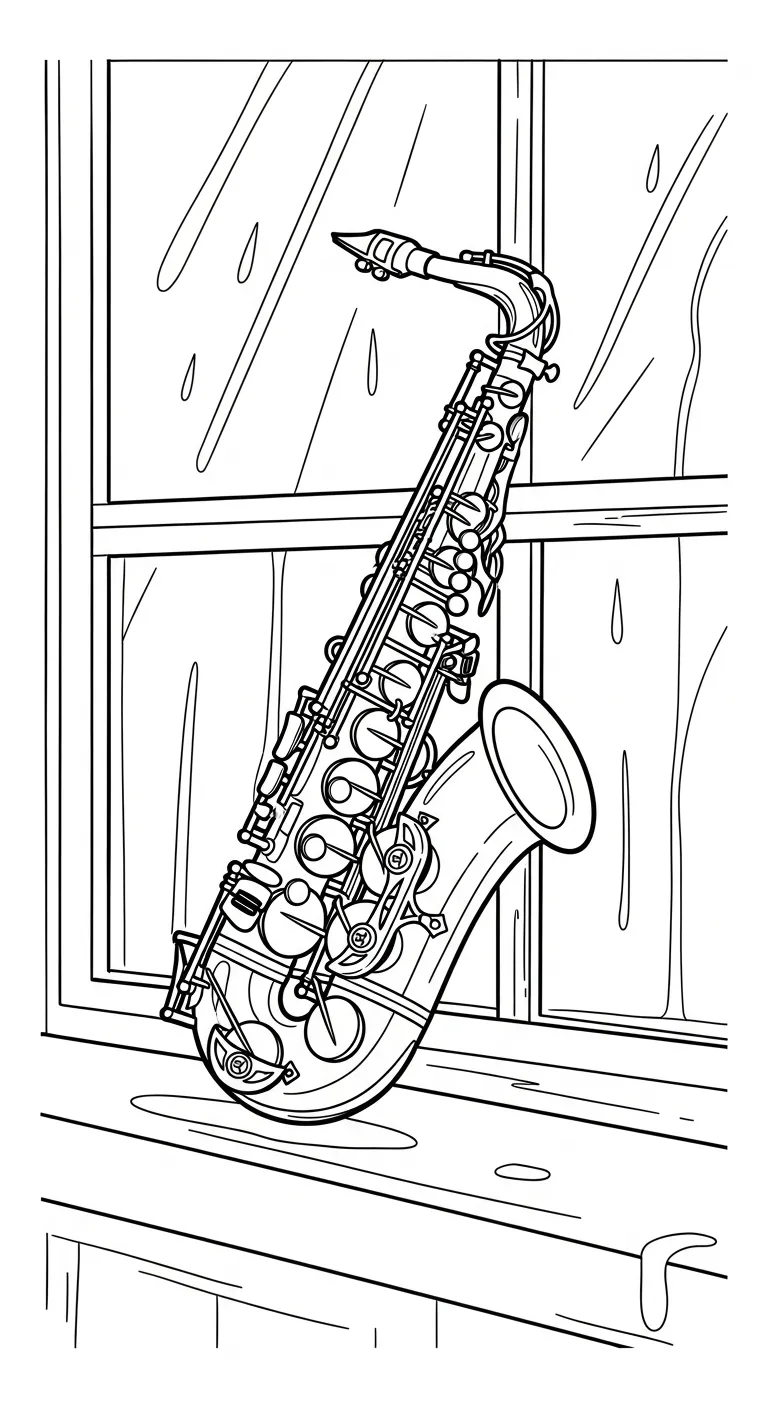
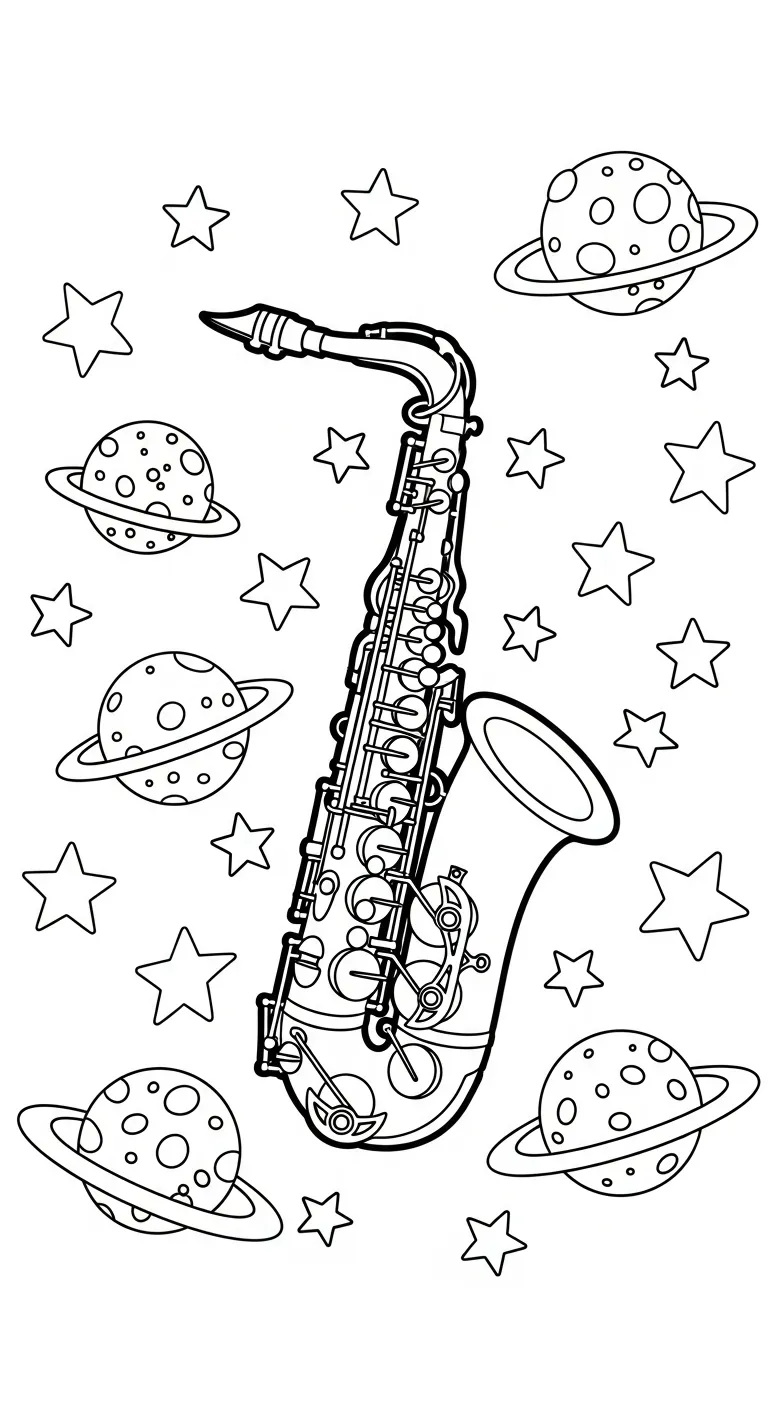
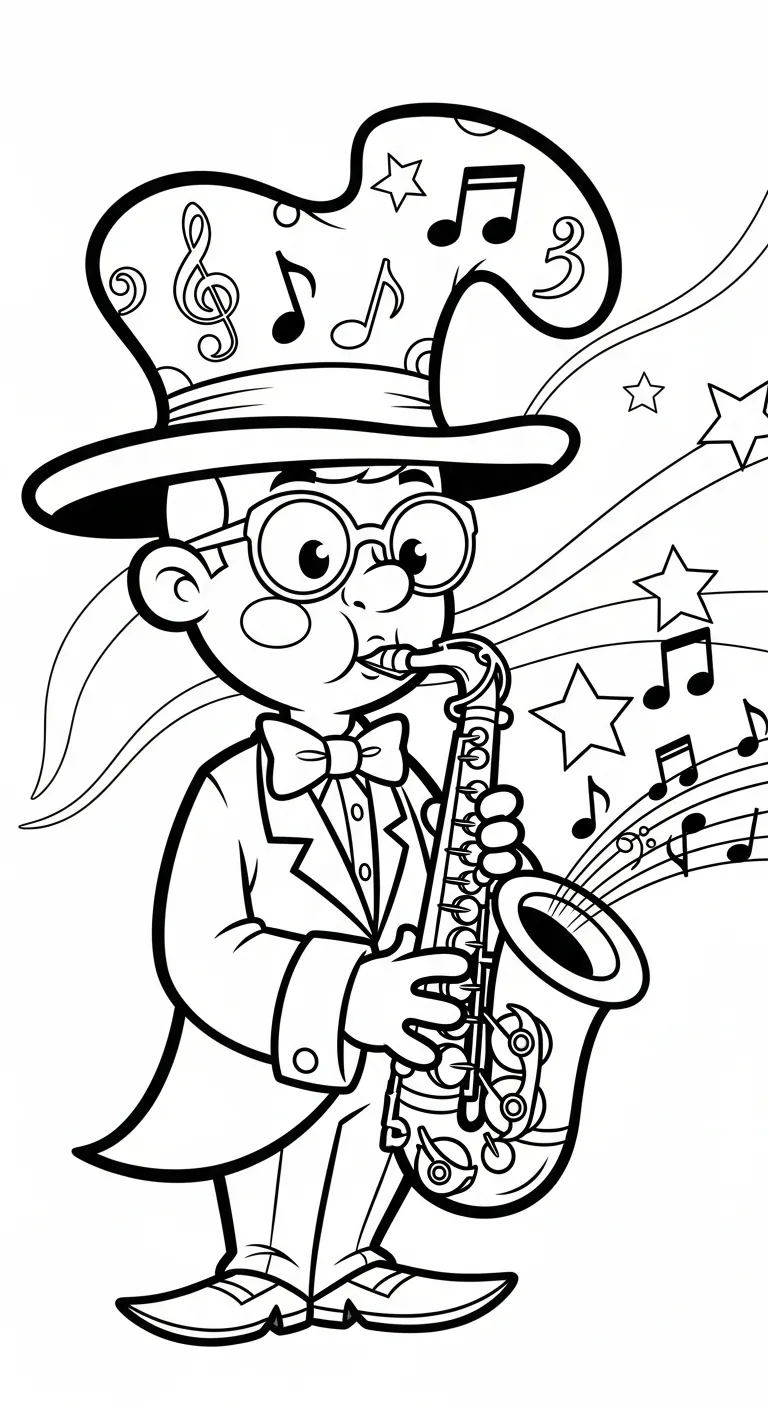
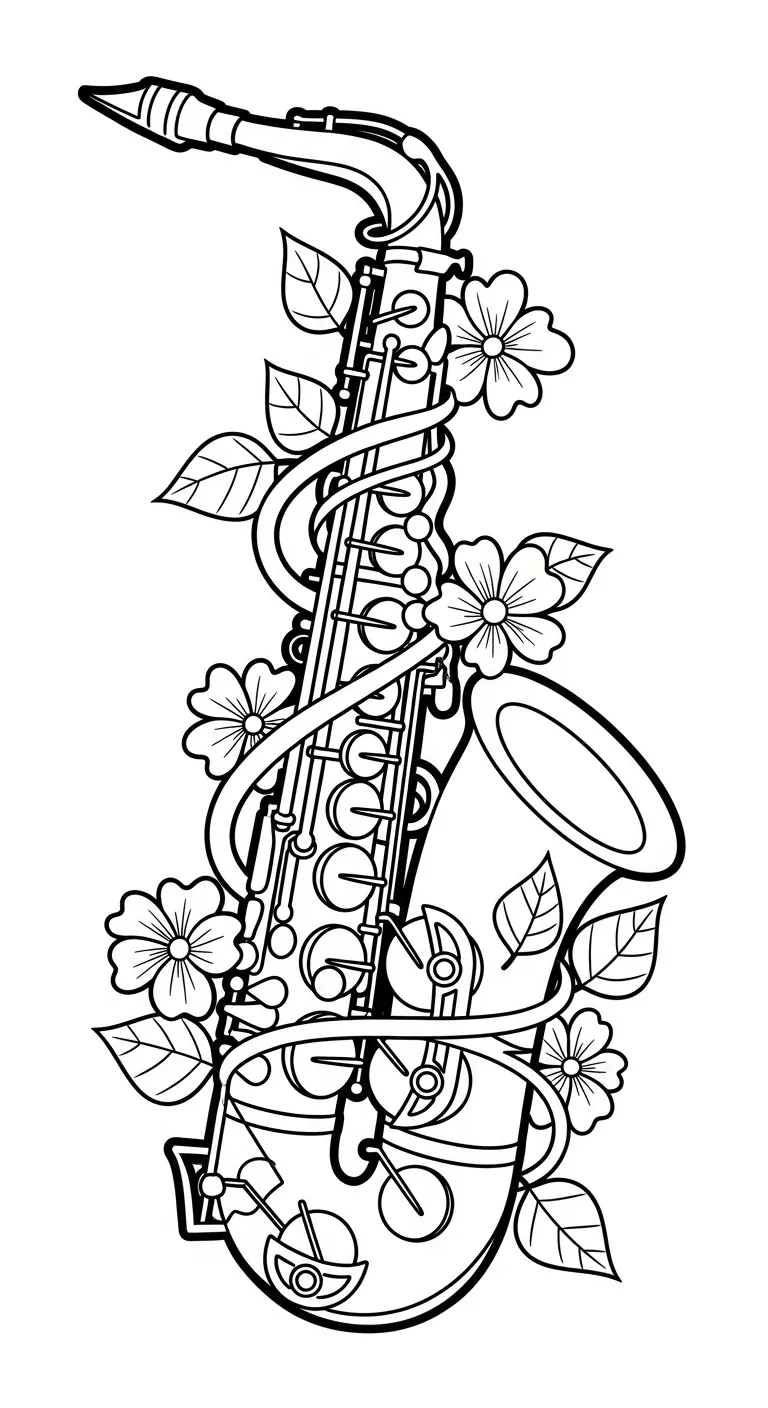
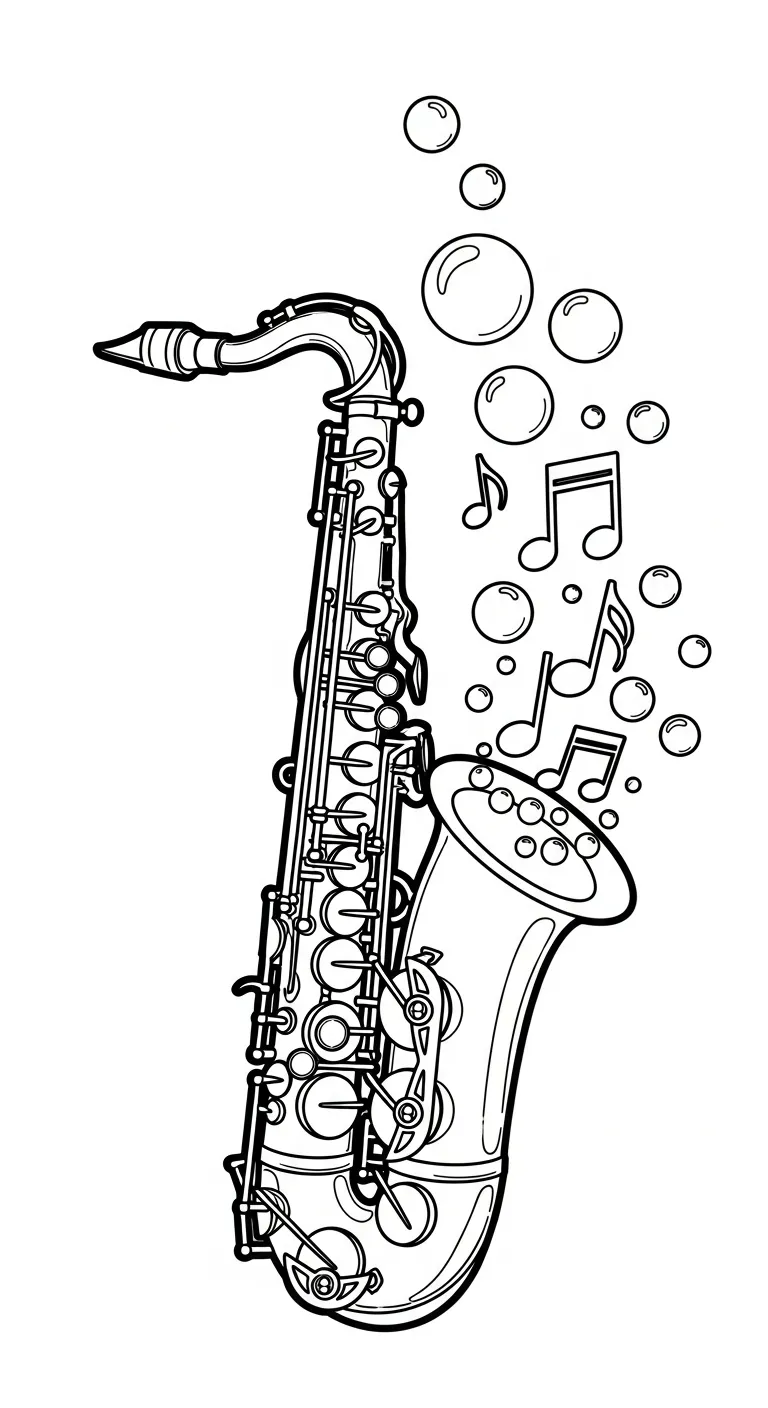
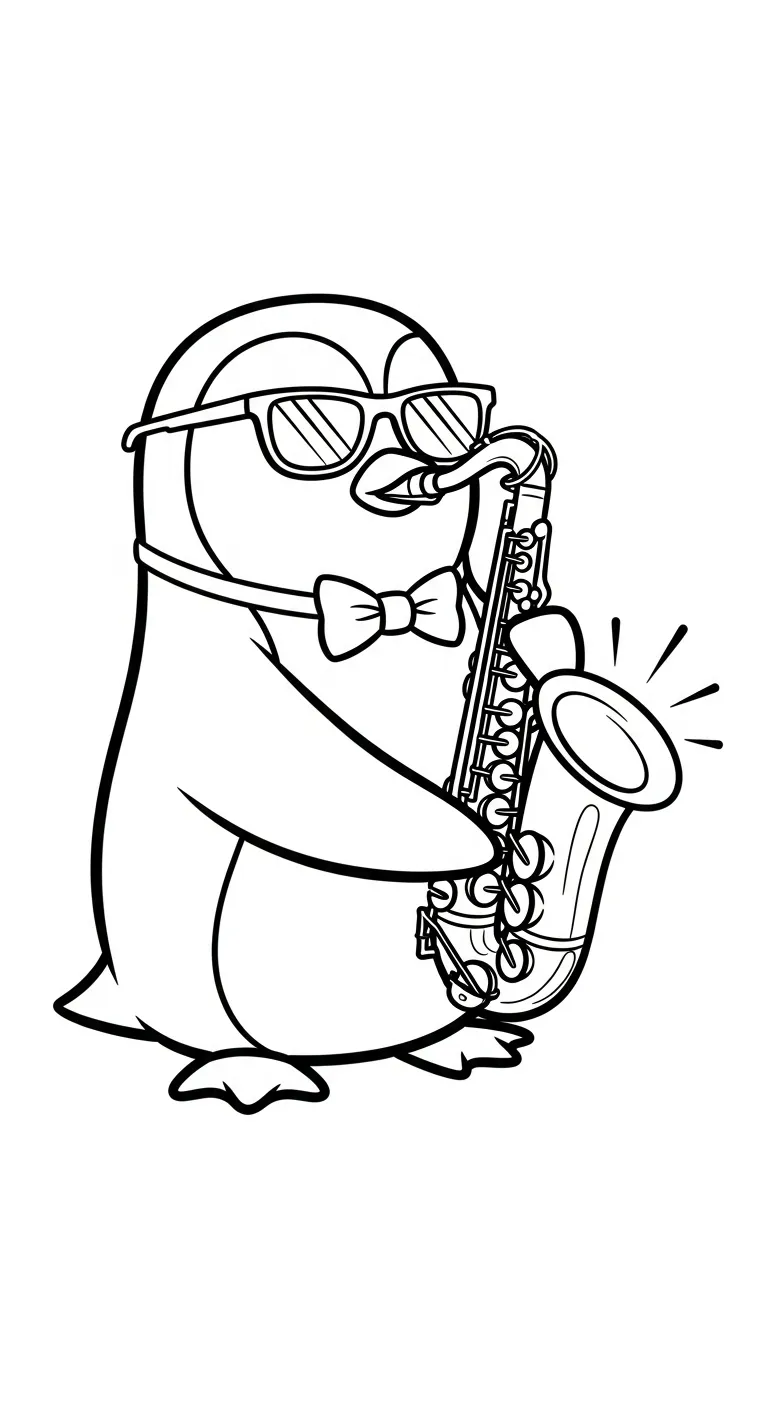
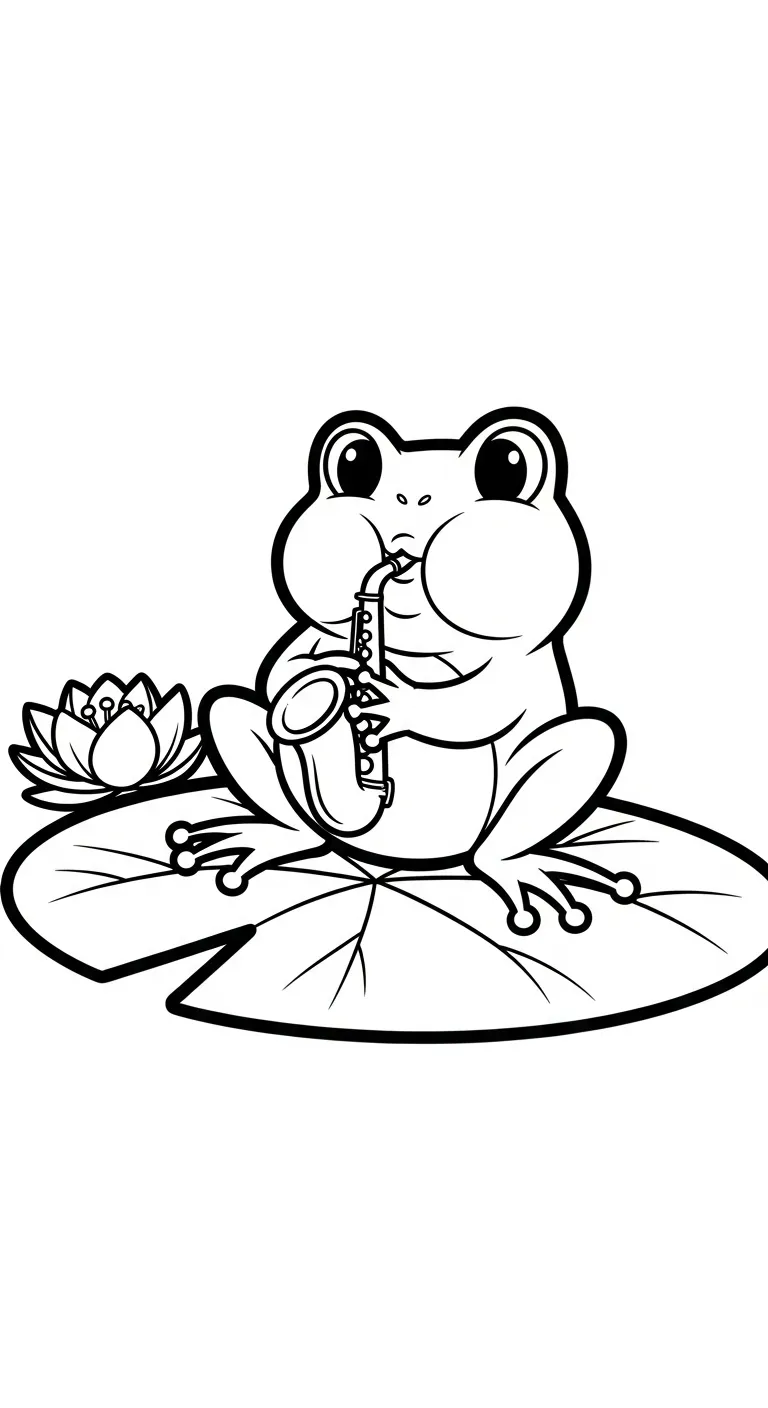
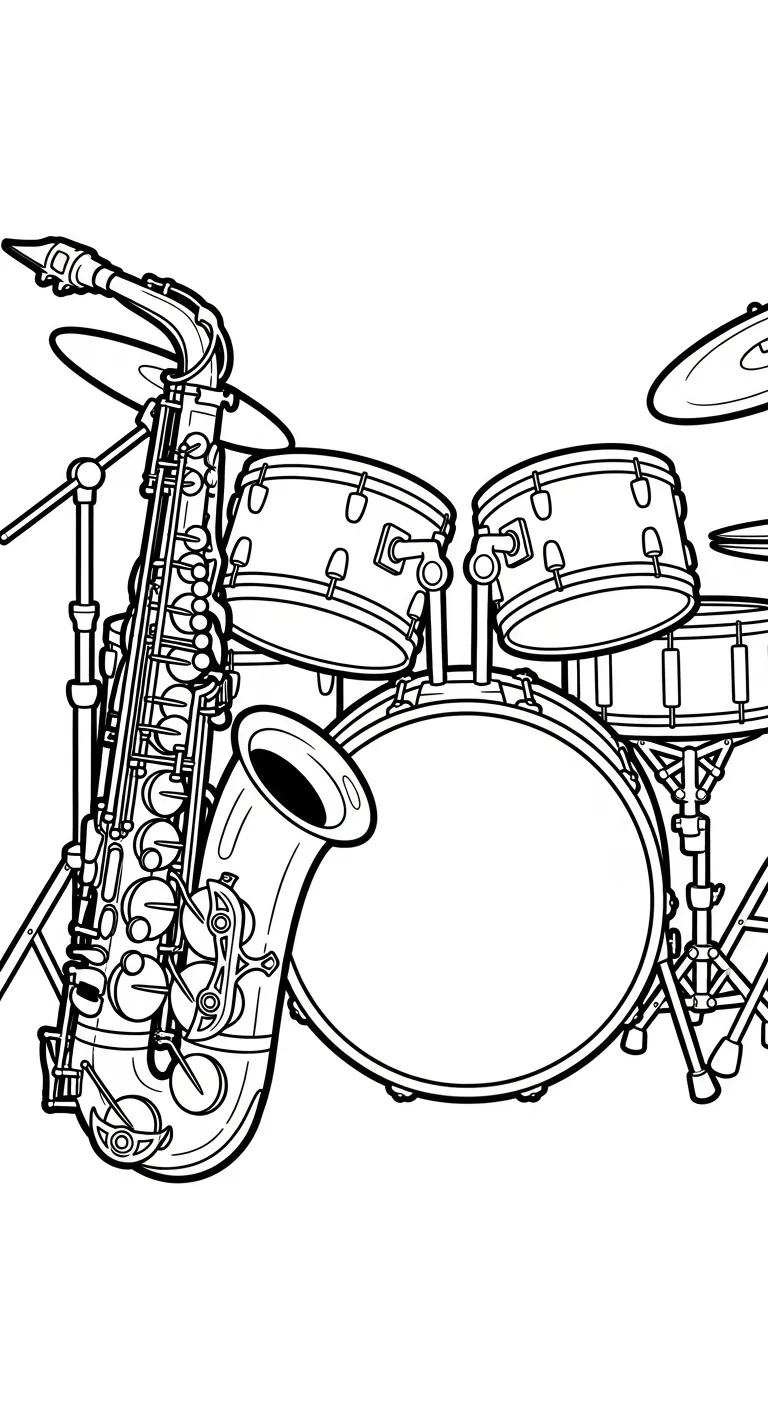
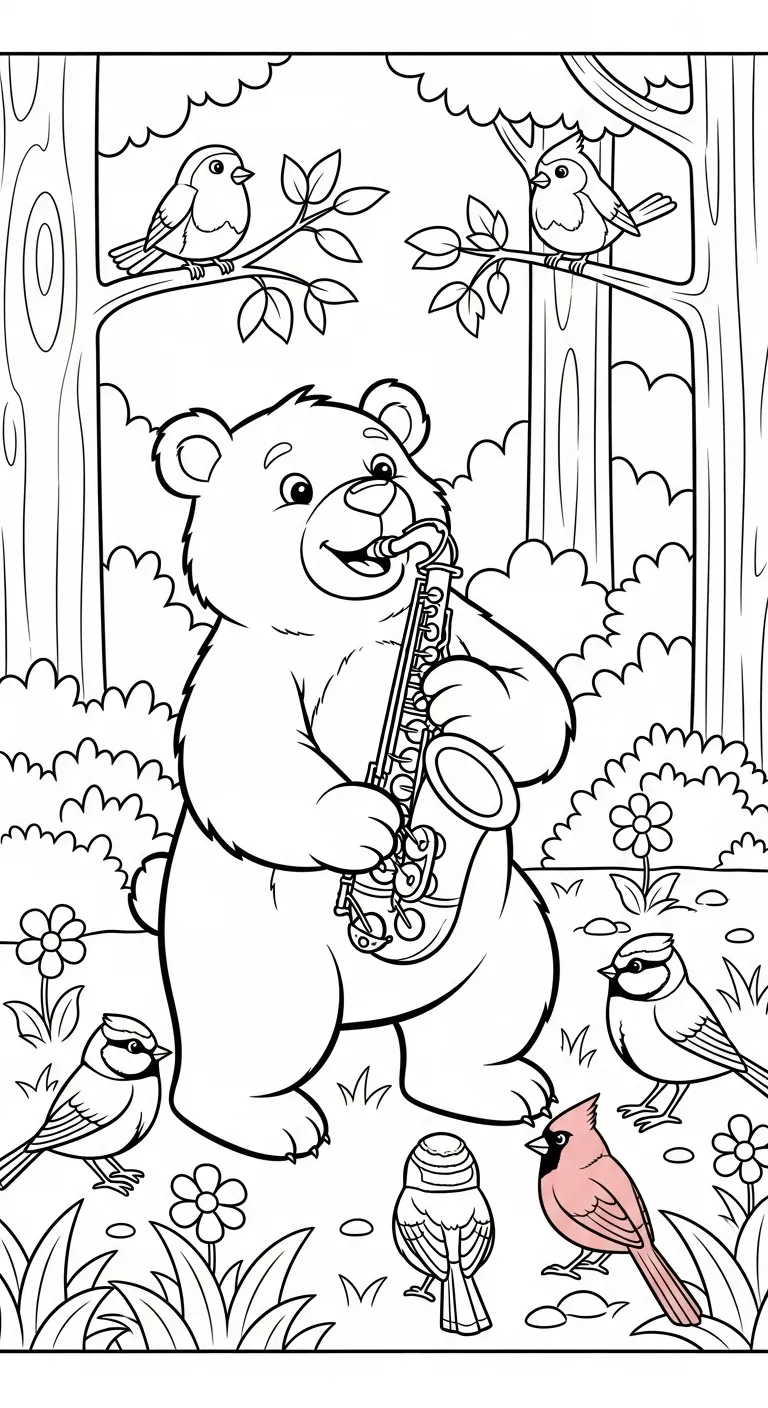
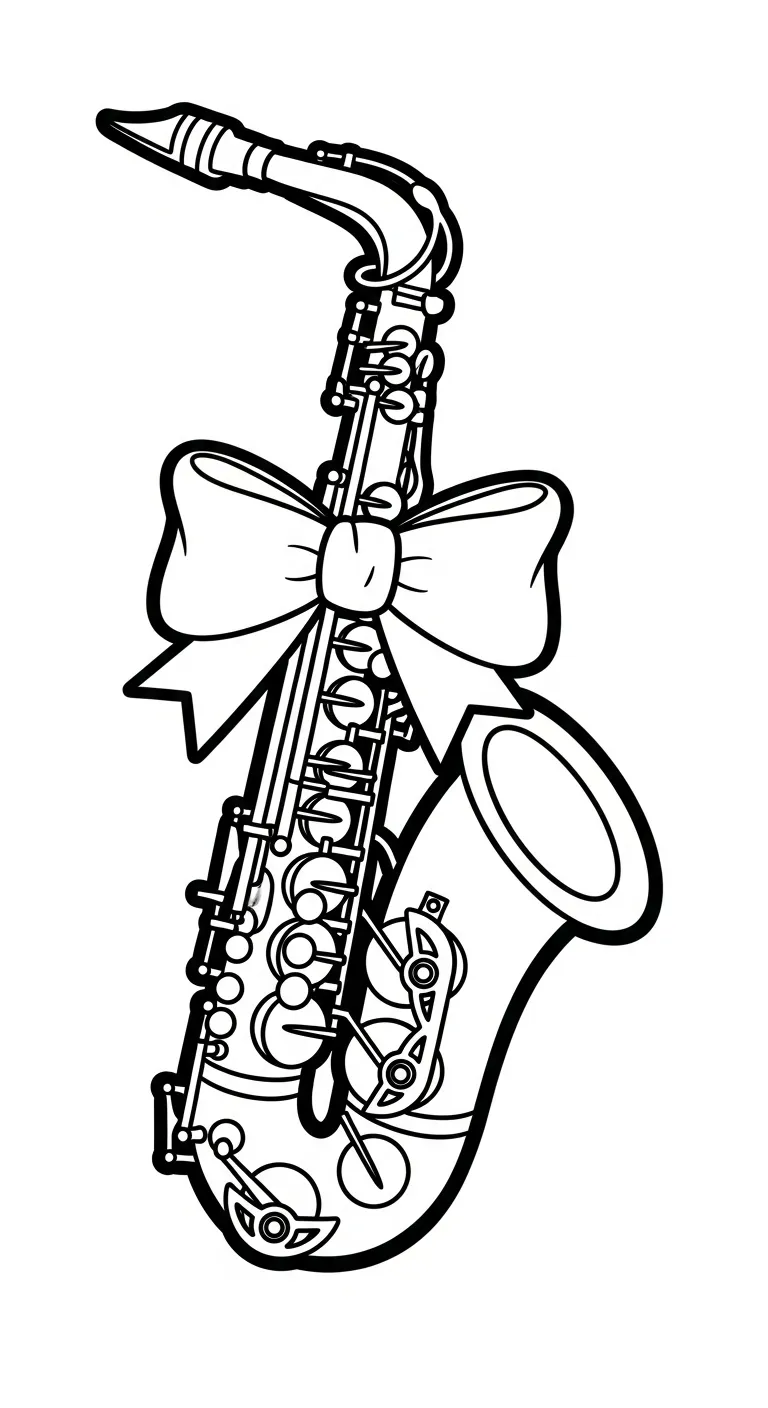
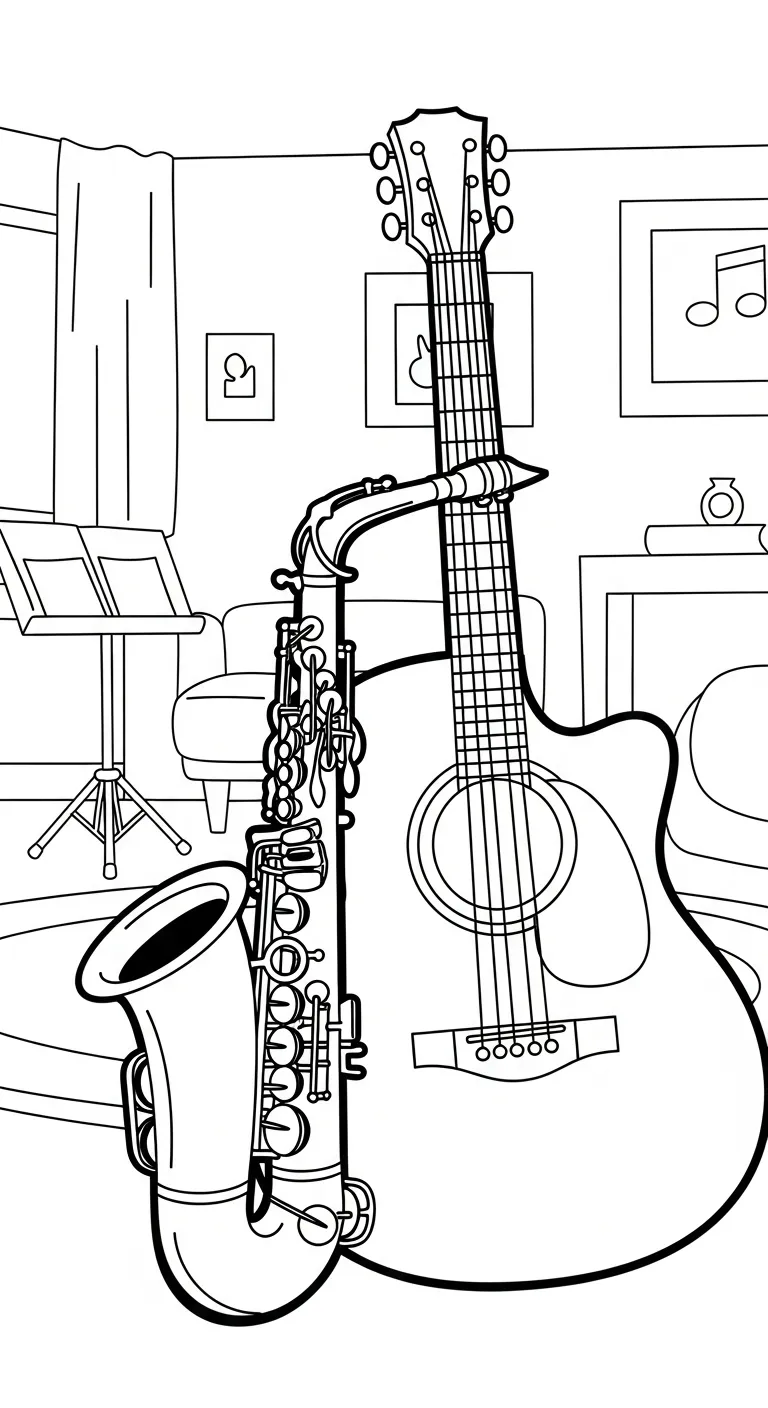
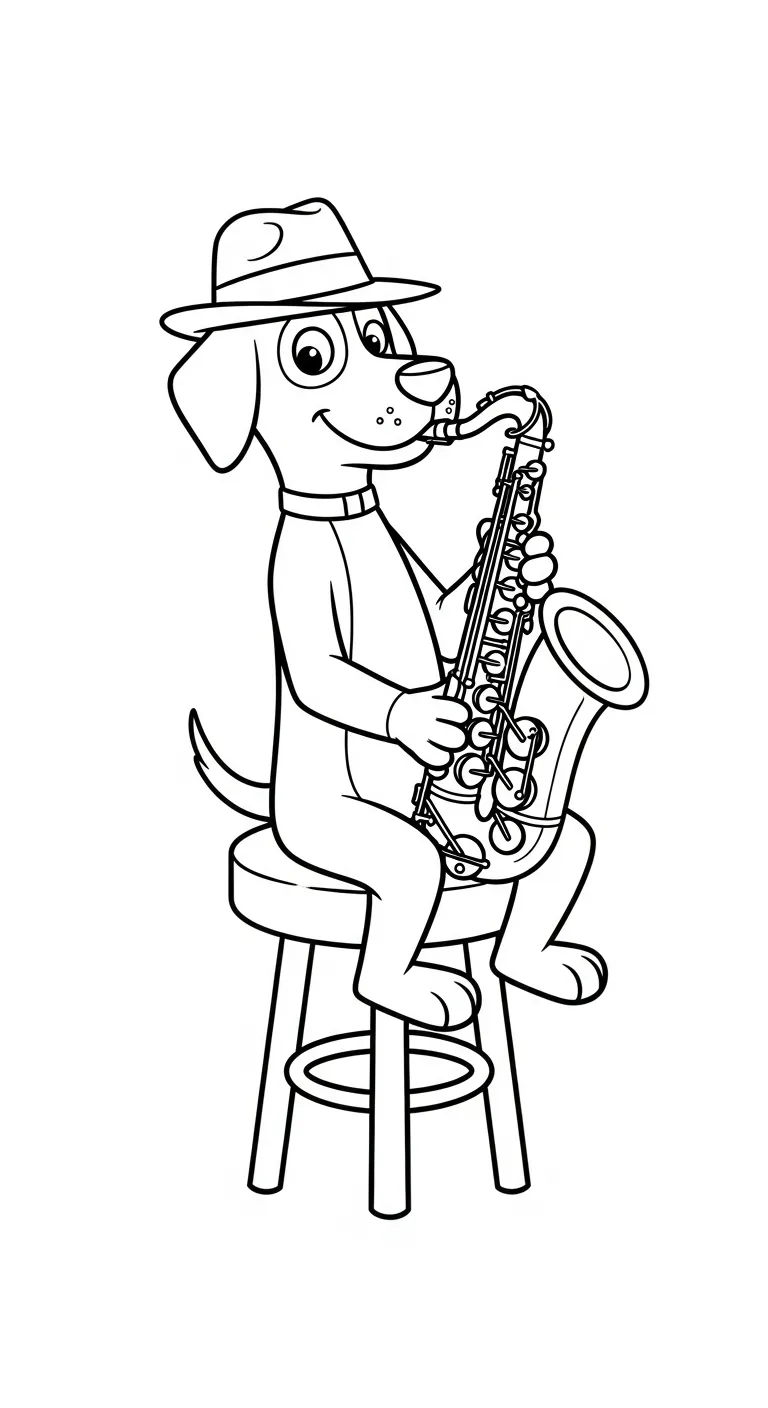
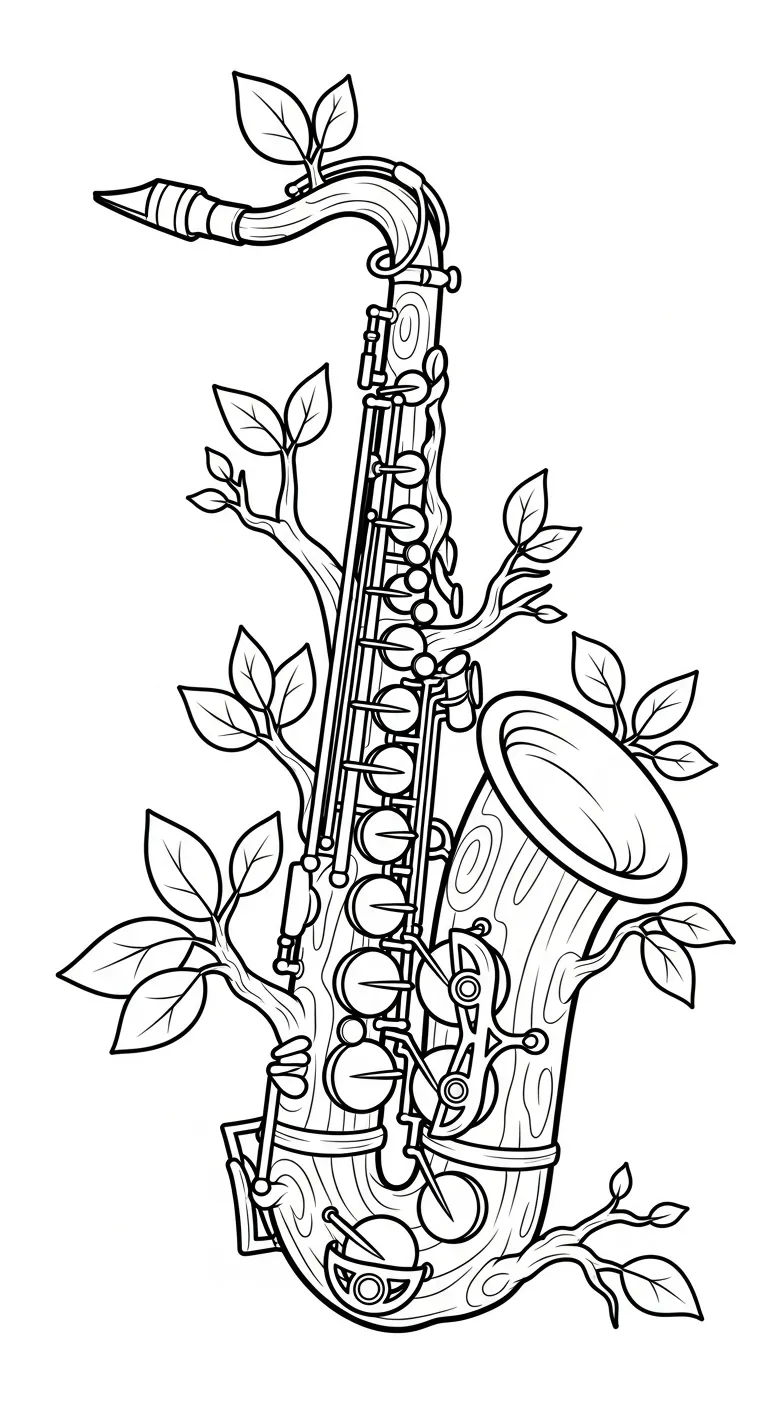
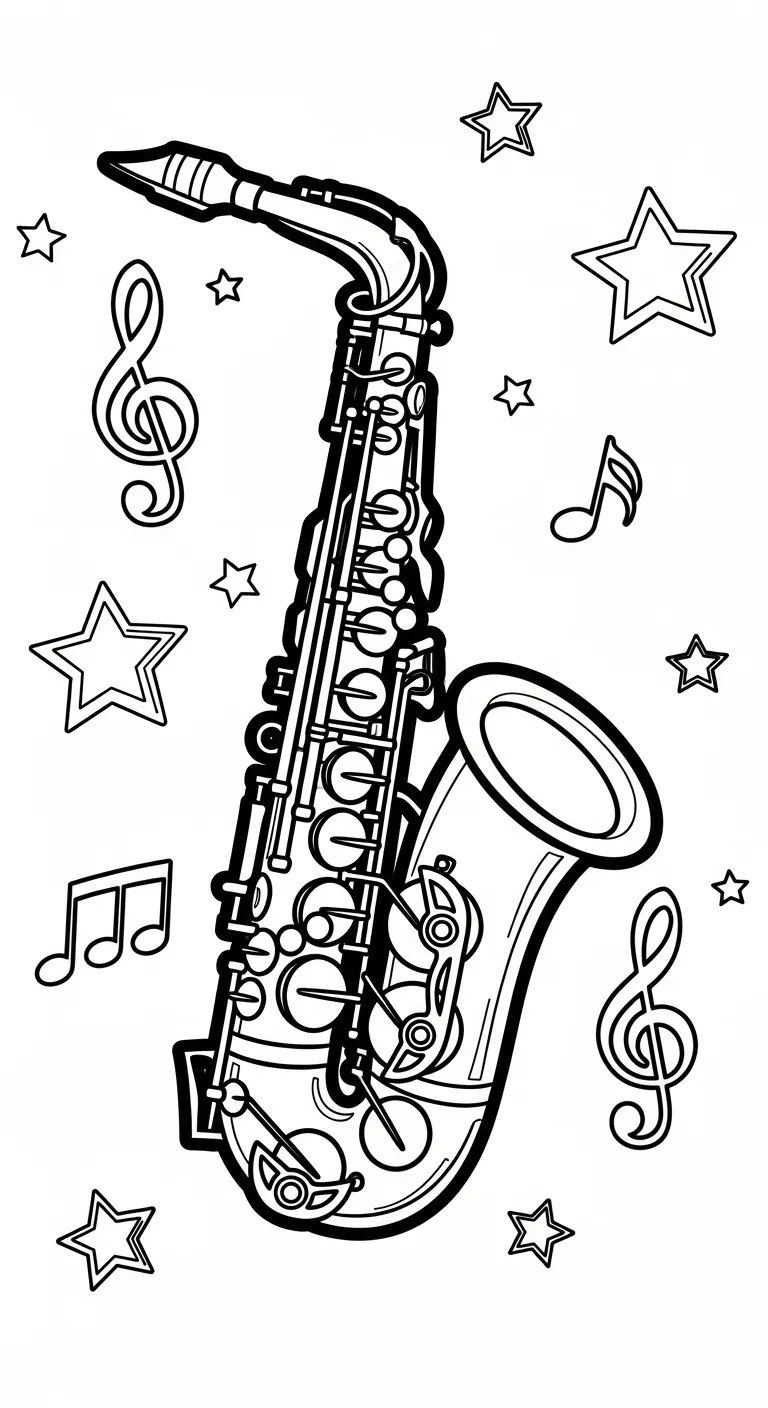
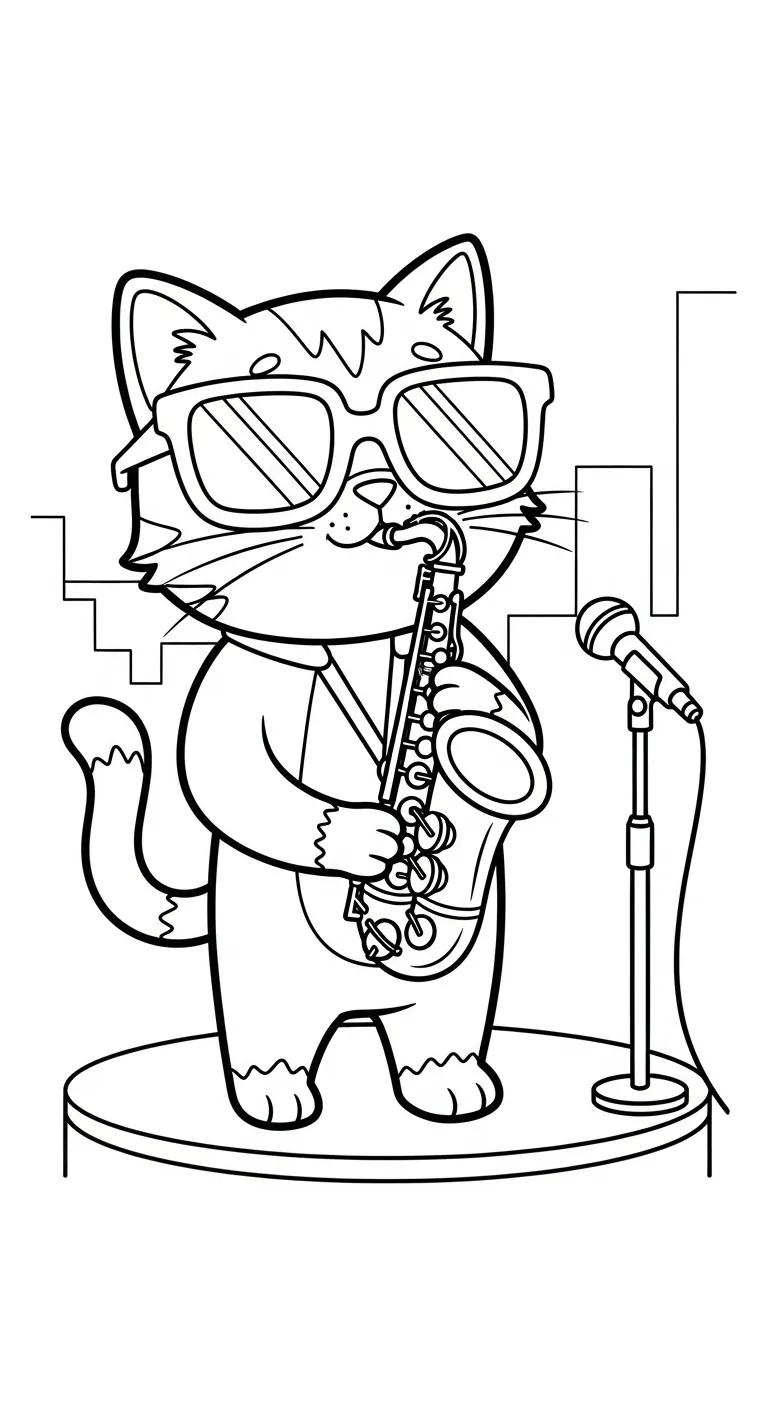
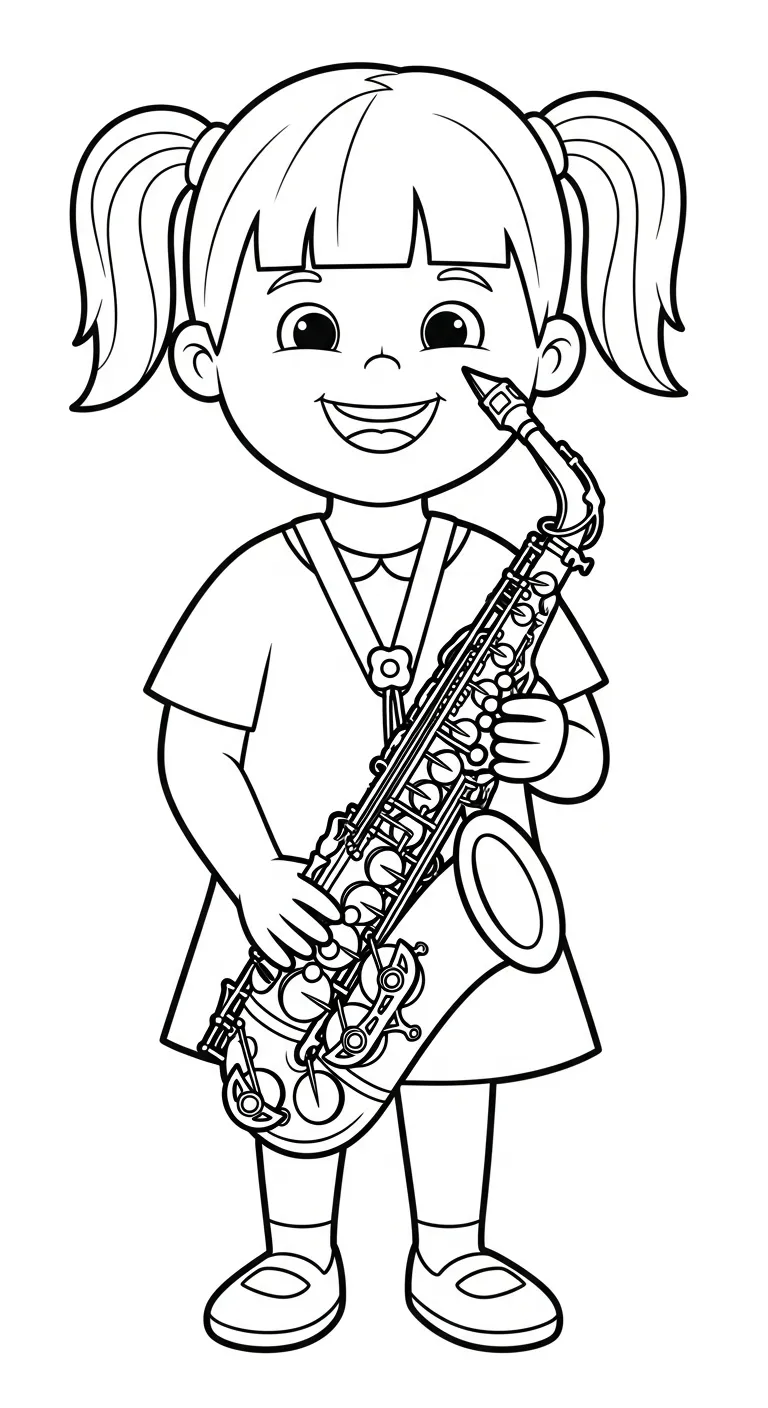
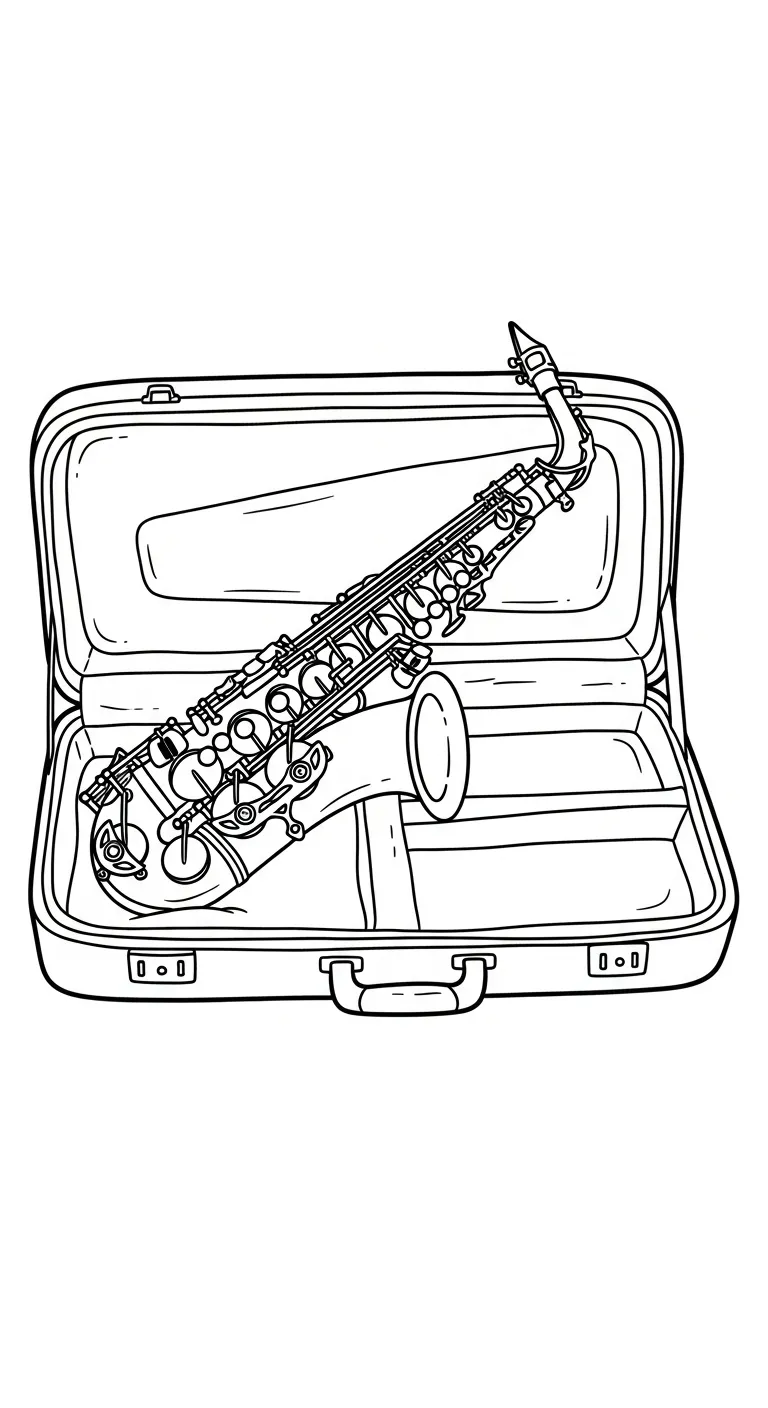
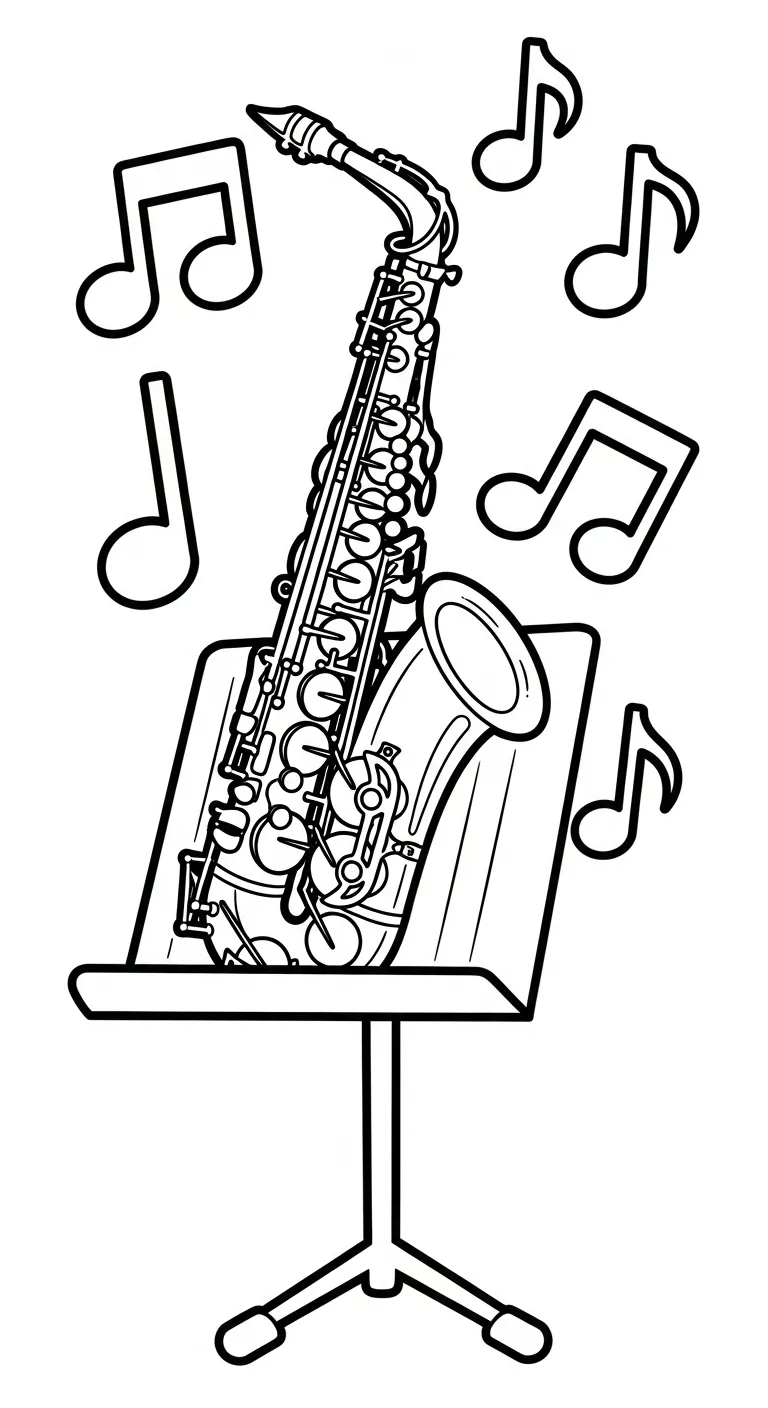
Free Saxophone Coloring Page: When the notes emerge from the bell. The mouthpiece receives the breath, the reed begins to vibrate, the keys gleam along the curved body, and then the large bell seems to release the notes. On the page, the instrument doesn't remain still: it gives the impression of playing even before it's colored.
A child can begin with the large golden shape of the saxophone. The tube descends, rotates gently, then opens at the bottom like a musical flower. Younger children mainly focus on the outer outline, the mouthpiece, and the bell. More patient children can add the small keys, the metallic sheen, and the notes that float around it.
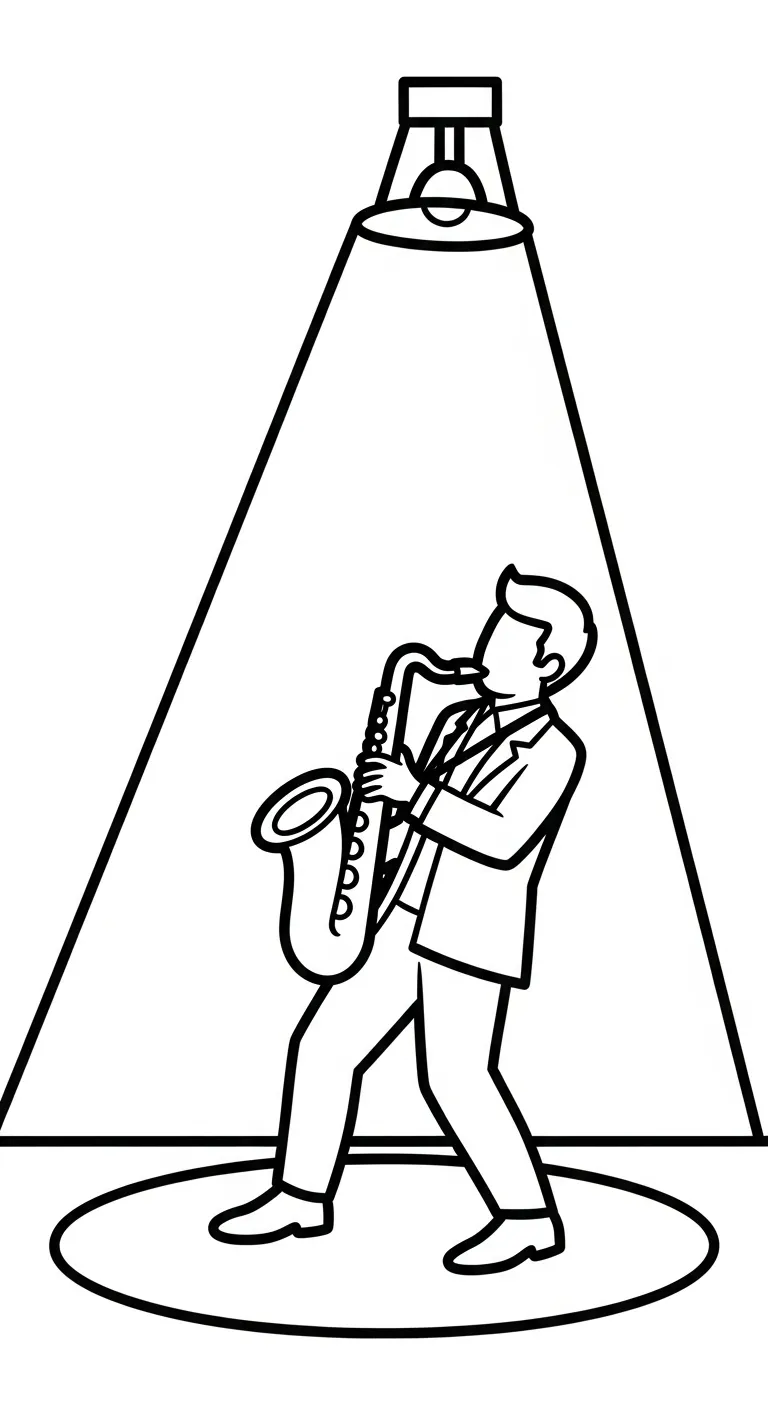
When a musician enters the drawing, the saxophone takes on a different energy. Hands hold the instrument, the mouth meets the mouthpiece, shoulders dictate posture, and the notes set the rhythm of the scene. A hat, a microphone, or a small spotlight can evoke jazz without obscuring the main instrument.
Coloring can also focus on a very simple scene: a saxophone placed on a chair, a few notes near the bell, an almost empty background, and large areas that are easy to fill. This version is well-suited to children who want to color calmly without too many small details.
For a more dynamic page, the pavilion becomes the starting point for the entire image. The notes can spiral upwards, pass near a microphone, cross a beam of light, or reach a small, smiling audience. The drawing remains suitable for children as long as the saxophone stays at the center.
Speaking on ColoriageVIP.comThe saxophone page can be printed for free, saved as a download, or colored directly online. The watermark-free designs keep the mouthpiece, reed, keys, bell, and notes clearly visible, helping children trace the shapes neatly.
The harp It can come as another way of listening to music with the eyes. The saxophone makes the breath travel through a curved tube; the harp, on the other hand, lets the fingers awaken long strings. The child then moves from an expressive wind instrument to a more vertical and gentler silhouette.
The saxophone was invented in the 19th century by Adolphe saxEven though it is often made of metal, it belongs to the woodwind family, as its sound is produced by a reed placed on the mouthpiece. Soprano, alto, tenor, or baritone, it always retains its bright and singing quality.
The pencil can finish its journey by following the notes out of the bell. A touch of yellow for the metal, a few shadows on the keys, colors around the musician, and the page becomes a small musical scene full of rhythm.